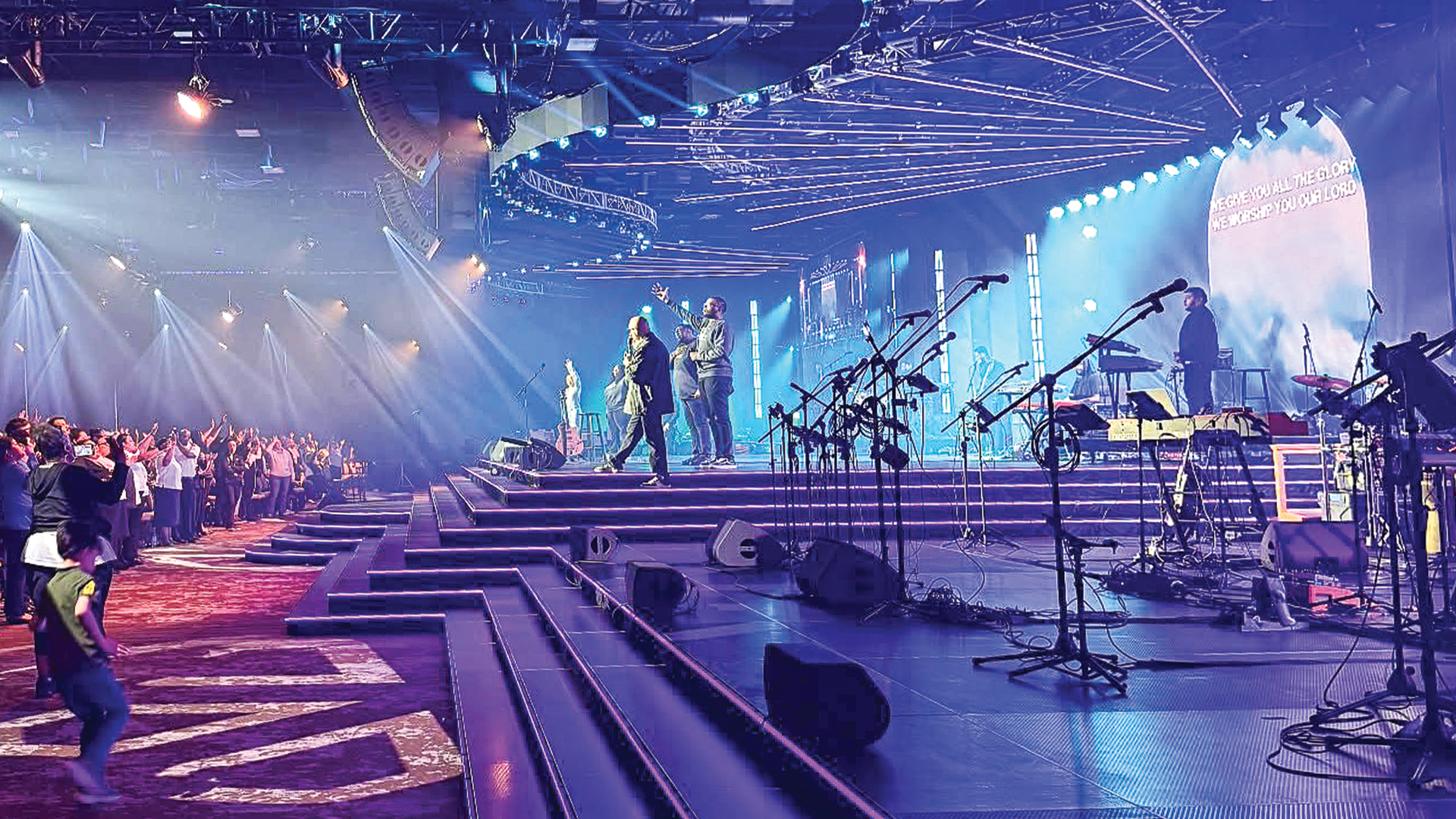
The microphone is designed to capture specific sounds while rejecting others—a balance of sensitivity and selectivity that defines the art of sound reinforcement. But when that selectivity fails, microphones become indiscriminate listeners that broadcast everything from whispered backstage gossip to the digestive sounds of the front-row audience. These are the stories of audio capture gone comprehensively wrong.
The Shure SM58 That Became a Surveillance Device
The Shure SM58 represents the most trusted handheld dynamic microphone in professional audio—known for its tight cardioid pattern and rejection of off-axis sound. Audio engineer Marcus Webb trusted his SM58s implicitly. Then a 2020 corporate event taught him about acoustic anomalies.
“We had the CEO at a podium with a standard SM58 setup. Clean gain structure, proper positioning, everything by the book. But the audience could clearly hear a conversation happening somewhere offstage—two executives apparently discussing layoff plans. The mic was 30 feet from them, with its null pointed roughly in their direction. It should have been impossible.”
The Acoustic Funnel Effect
Investigation revealed a reflective surface that had concentrated the conversation directly into the microphone’s pickup pattern. “A curved wall section was acting as an acoustic mirror, focusing sound from that corner directly to the podium position. The executives weren’t near the mic—their voices were being delivered to it by the architecture. The SM58 was doing exactly what it should; the room was conspiring against us.”
The Sennheiser MKH 416 Air Traffic Control
The Sennheiser MKH 416 shotgun microphone offers exceptional reach for film and broadcast applications. Production sound mixer Sarah Chen deployed an MKH 416 for an outdoor theatrical broadcast and discovered the microphone’s impressive sensitivity extended further than anticipated.
“We had the 416 on a boom for dialogue pickup during a period drama. Beautiful sound quality, perfect focus on the actors. Then during a quiet scene, the broadcast audience clearly heard: ‘Delta Seven-Niner, cleared for approach runway two-three left.’ We were picking up the approach control frequency for an airport two miles away.”
The microphone wasn’t literally receiving radio transmissions. “The XLR cable run to the 416 was acting as an antenna, and the radio frequency interference was being demodulated somewhere in the signal chain—probably at a questionable splice in the cable. We were broadcasting air traffic control because our cable had become an accidental AM radio.”
Historical Context: The Evolution of Microphone Technology
The history of the microphone begins with Alexander Graham Bell’s liquid transmitter in 1876—a device that converted sound to electrical signals through water and sulfuric acid. The carbon microphone that followed dominated telephone and early broadcast applications for decades.
The ribbon microphone era of the 1930s and 1940s brought RCA designs that defined broadcast sound. The legendary RCA 44 and 77 series established figure-eight pickup patterns that remain relevant today. The development of condenser microphones by Neumann and others expanded the possibilities for sensitivity and frequency response.
The DPA 4088 Headset That Heard Heartbeats
The DPA 4088 headset microphone provides broadcast-quality audio in a miniature package, perfect for theater and television applications. A1 audio engineer David Williams deployed 4088s for a Broadway production and encountered an unexpected physiological issue.
“The leading lady was performing a quiet emotional scene when we started hearing a rhythmic thumping through her mic channel. It wasn’t feedback, wasn’t mechanical—it was her pulse. The headset positioning had the element resting against an artery, and her emotional state during the scene elevated her heart rate enough to become audible.”
The microphone was performing as designed—the high sensitivity that made it excellent for quiet dialogue also made it capable of capturing physiological sounds. “We adjusted the headset position and added a high-pass filter to roll off frequencies below the speech range. But it was a reminder that these microphones are genuinely capable of hearing everything a performer produces.”
The Shure Axient Digital RF Interference Adventure
The Shure Axient Digital system represents state-of-the-art wireless microphone technology, with sophisticated frequency coordination and interference avoidance. RF coordinator Jennifer Park deployed an Axient system for a 2021 stadium tour and discovered that digital doesn’t mean immune.
“We had 32 channels of Axient perfectly coordinated using Wireless Workbench and Shure frequency coordination software. Third song into the first show, channel 17 started picking up what sounded like a talk radio station—complete with call-in segments about local politics. An audience of 50,000 people heard a caller complain about parking meters through our lead vocalist’s channel.”
Tracking the Interference Source
The investigation involved spectrum analysis and signal tracing. “The interference wasn’t coming through the RF path—the Axient system was clean. But an intermodulation product from a nearby illegal broadcast transmitter was landing exactly on the IF stage of one of our receivers. The digital encryption didn’t help because the interference was happening before the digital processing. We had to physically relocate the receiver rack to break the interference path.”
The Countryman E6 and the HVAC Symphony
The Countryman E6 earset microphone offers nearly invisible placement with excellent sound quality. Production sound mixer Robert Chen deployed E6 microphones for a corporate event and discovered that HVAC systems have their own sonic signatures.
“Every time the air conditioning cycled on, we’d get this low rumble through all the lavalier channels. Not loud enough to notice in the room, but clearly audible through the PA system and definitely present in the broadcast feed. The mics were picking up the building’s digestive system.”
The solution required both acoustic and electronic approaches. “We worked with the venue to modify the HVAC cycling schedule around the program, and added high-pass filtering on all lav channels through the Yamaha CL5 console. But the broader lesson was that miniature microphones in challenging environments need careful attention to the full acoustic picture.”
Practical Rejection and Isolation Strategies
Managing microphone pickup requires understanding both the technology and the acoustic environment. The first principle is polar pattern selection—choosing cardioid, supercardioid, or hypercardioid patterns based on the rejection requirements of the specific application.
The proximity effect that characterizes directional microphones can be used advantageously—placing the microphone close to the desired source reduces the relative level of distant sounds through inverse square law attenuation.
Environmental Assessment and Treatment
Understanding the acoustic environment before placing microphones prevents many pickup problems. Identifying reflective surfaces, potential noise sources, and RF interference patterns during site surveys allows proactive problem avoidance.
Portable acoustic treatment panels from manufacturers like Primacoustic and Auralex can modify problematic reflection patterns. Strategic use of gobos and absorption materials creates isolation even in challenging venue acoustics.
Every microphone is a window into the sonic world—sometimes revealing more than intended. The best audio engineers learn to see the acoustic environment as a complete system where every surface, every electrical path, and every environmental factor potentially contributes to what the microphone captures. Managing that complexity, while ensuring the desired source remains clear and present, defines the craft of professional sound.
