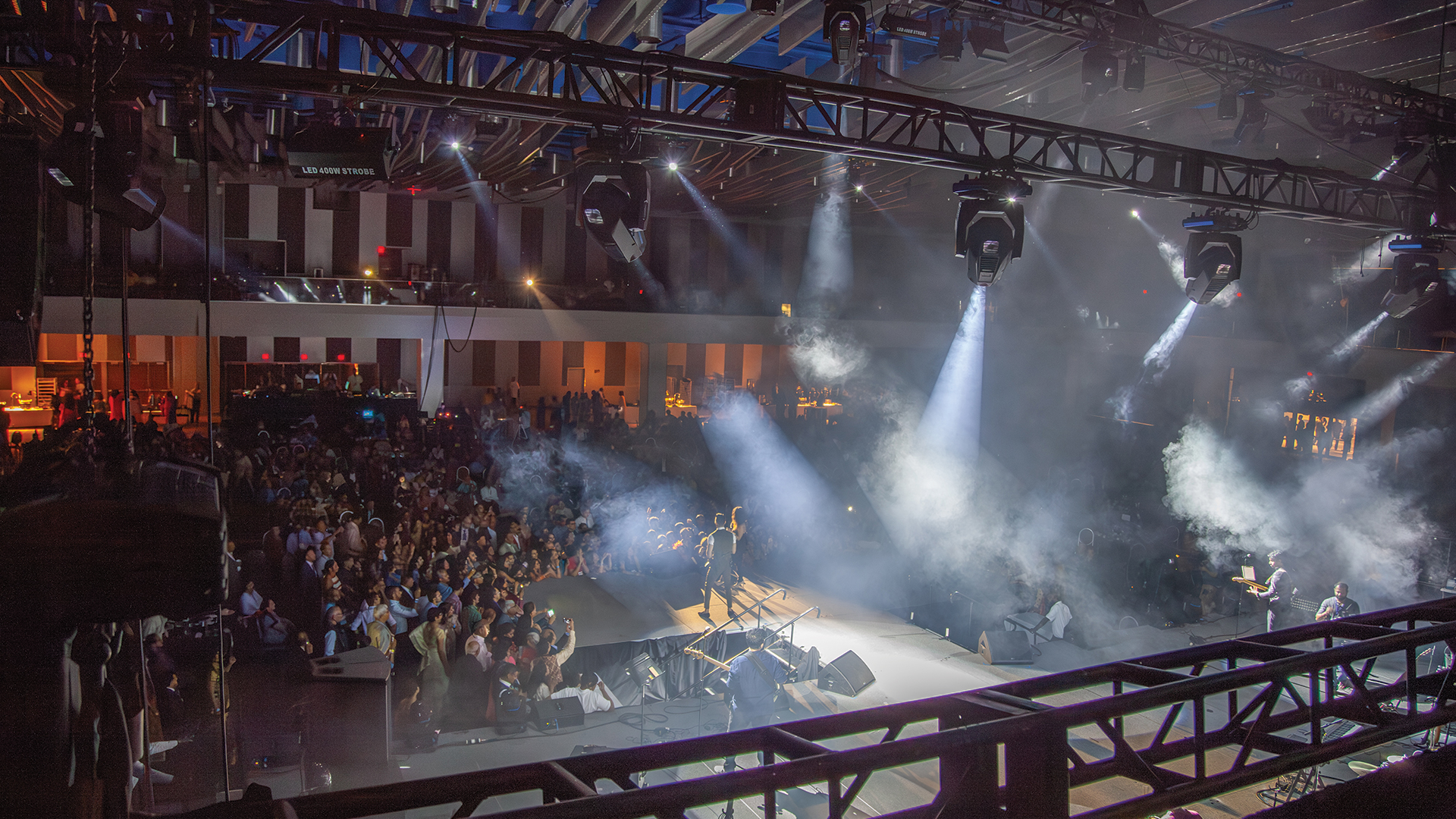
The Independent Fixture Phenomenon
The spotlight occupies a unique position in theatrical hierarchy—powerful enough to define what audiences see, yet expected to follow precise direction without personality or preference. Most fixtures fulfill this role admirably. Others develop what can only be described as stubborn independence, refusing commands, executing alternative interpretations, or simply doing nothing at all.
When a spotlight refuses direction, the consequences range from mildly embarrassing to show-stopping disaster. A followspot that won’t iris properly exposes backstage areas. An automated fixture that ignores position commands leaves performers in darkness while illuminating empty stage. Understanding why spotlights rebel helps prevent these incidents and respond effectively when prevention fails.
The Mechanical Realm
Traditional followspots like the Robert Juliat Cyrano and Lycian 1293 rely on mechanical systems—gears, handles, friction surfaces—that wear with use. The iris mechanism that controls beam diameter can develop stiffness that resists smooth operation. Pan and tilt mechanisms may develop play that makes precise positioning difficult.
These mechanical issues typically develop gradually, providing warning signs before complete failure. Preventive maintenance—lubrication, adjustment, replacement of wear parts—extends equipment life and maintains performance. The challenge lies in scheduling maintenance before problems become critical while equipment remains in constant demand.
The Heat Factor
Followspots generate substantial heat, particularly units using HMI or xenon arc sources. This heat affects both mechanical systems and human operators. Lubricants can break down, metal components expand at different rates, and operators working in enclosed followspot booths face physical discomfort that affects performance.
The Strong Super Trouper and similar high-output fixtures require proper ventilation that enclosed booths sometimes cannot provide. Operators have reported temperatures exceeding 100°F during long shows—conditions that affect both equipment reliability and human judgment. LED-based followspots like the Robert Juliat Arthur produce significantly less heat, improving both maintenance intervals and operator comfort.
Automated Fixture Failures
Automated moving head fixtures add electronic and software complexity to mechanical systems. Motors that position pan and tilt axes, stepper motors that select colors and gobos, and control systems that interpret DMX commands all present potential failure points. The Martin MAC Encore, Robe MegaPointe, and similar fixtures contain thousands of components whose proper function depends on manufacturing quality, proper maintenance, and environmental conditions.
Position encoder failure creates fixtures that lose track of their actual position. The control system commands movement to 45 degrees pan, but the fixture doesn’t know where it currently is. Some fixtures handle this through automatic homing sequences; others simply execute movement from whatever position they believe they occupy, producing results that don’t match intended programming.
The DMX Disconnect
Communication failures between consoles and fixtures produce some of the most frustrating disobedience. DMX signal problems—bad cables, overloaded universes, address conflicts—can affect single fixtures while others on the same data run operate normally. The resulting selective failure confounds troubleshooting, as the infrastructure appears functional based on other fixtures’ response.
The transition to network-based distribution using Art-Net and sACN protocols adds network troubleshooting to the lighting department’s responsibilities. A fixture that won’t respond might have a DMX address problem, an IP address conflict, a subnet configuration error, or a physical network connection issue. Distinguishing between these possibilities requires diagnostic skills that traditional lighting electricians may not possess.
RDM Diagnostic Capabilities
The RDM (Remote Device Management) protocol extension to DMX512 enables bidirectional communication that helps diagnose fixture problems. RDM-capable fixtures can report their status, confirm received commands, and provide error information that aids troubleshooting. Console support for RDM continues expanding, with platforms like ETC Eos and grandMA3 offering increasingly sophisticated diagnostic tools.
However, RDM implementation varies across manufacturers and fixture models. A fixture might support basic RDM identification while lacking the detailed status reporting that would reveal why it’s refusing commands. The technology helps but doesn’t eliminate the troubleshooting challenges that disobedient fixtures create.
Case Study: The Concert Tour Crisis
A major concert tour encountered systemic fixture disobedience that threatened show integrity. The design featured 48 Claypaky Sharpy Plus fixtures providing key looks throughout the show. Starting on the third week of touring, random fixtures began refusing position commands—they would respond to intensity and color changes but not pan and tilt movements.
The lighting crew initially suspected DMX problems, but signal testing showed clean data. Fixture swapping seemed to move the problem—a fixture that misbehaved in one position worked in another, while the replacement began misbehaving. The pattern defied logical explanation.
Resolution
After significant investigation, the tour’s production electrician identified a firmware bug that manifested under specific operational conditions. The affected firmware version had a memory leak that gradually consumed processing resources until the fixture could no longer handle position calculations. Rebooting fixtures cleared the problem temporarily, but it would return after several hours of operation.
The manufacturer provided updated firmware that addressed the issue, but applying updates to 48 fixtures across multiple trucks required careful logistics. The tour developed a protocol of cycling fixtures through the update process during off days, gradually eliminating the problem while maintaining show capability throughout the transition.
Environmental Factors
Heat affects automated fixture reliability significantly. Internal temperatures in enclosed fixtures can exceed 80°C during operation, stressing components designed for lower temperatures. Inadequate ventilation around fixtures—whether from crowded rigging or blocked air paths—accelerates heat-related degradation.
Dust and debris accumulate in fixtures despite protective measures. Smoke machine residue, pyrotechnic fallout, and general environmental contamination coat optical components and infiltrate mechanical systems. Regular cleaning extends fixture life and maintains optical quality, but touring schedules often don’t accommodate thorough maintenance.
Prevention and Response Strategies
Redundancy provides the most reliable protection against spotlight disobedience. Spare fixtures that can quickly substitute for failures, backup followspots with trained operators, and programming that can redistribute coverage when fixtures fail all contribute to resilient designs. The investment in redundancy pays dividends during the shows where it’s needed.
Pre-show testing reveals problems while solutions remain possible. Running complete fixture tests—exercising all parameters through their full range—identifies issues before audiences arrive. The grandMA3 fixture test features automate this process, cycling through functions while operators observe for anomalies.
The Human Response
When spotlights refuse direction during live events, operator response determines outcomes. The lighting director must quickly assess whether the problem is recoverable, whether workarounds exist, and whether the show can continue with degraded capability. These decisions require experience that no amount of technical training can fully replace.
Communication between operators accelerates diagnosis and response. When a followspot operator reports that their fixture won’t respond to iris commands, the lighting director might adjust programming to use different fixtures for coverage that requires beam shaping. This real-time adaptation requires both technical knowledge and creative problem-solving.
The Future of Fixture Control
Emerging technologies promise more reliable fixture control. Network protocols with error correction and acknowledgment provide confidence that commands reach fixtures successfully. Predictive maintenance systems that monitor fixture health can identify potential failures before they affect shows.
The spotlight that refuses direction will always exist in some form—complex systems inevitably contain failure modes. Professional excellence lies in minimizing failure probability, detecting problems early, and responding effectively when they occur. The goal isn’t perfect equipment but perfect shows despite imperfect equipment.
