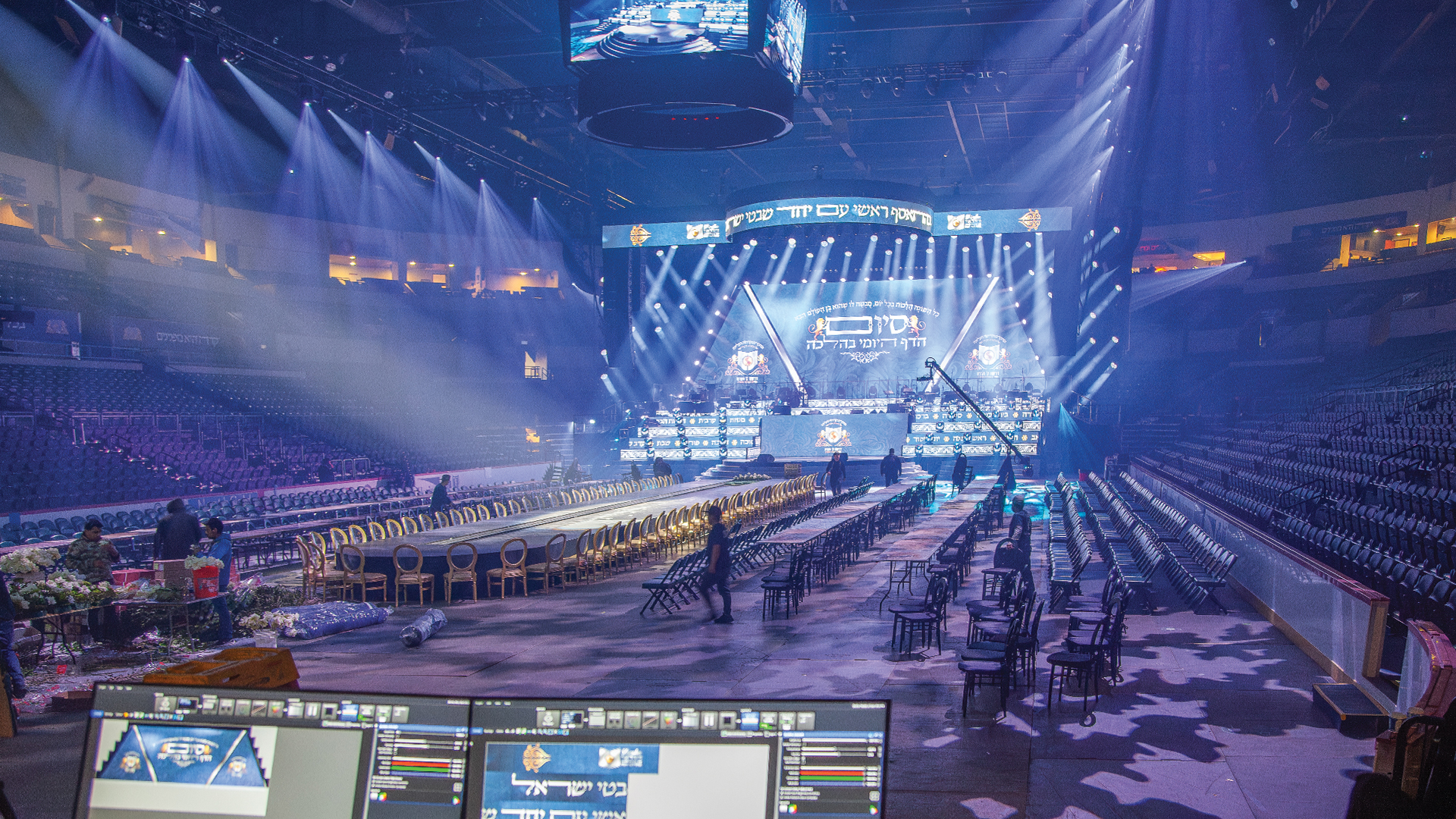
The presenter’s voice bounces off the back wall, arriving at listeners’ ears a half-second after the direct sound long enough to create the garbled confusion that transforms clear communication into auditory chaos. Concrete-heavy rooms warehouses converted to event spaces, modern architectural showpieces, industrial chic venues present acoustic challenges that have tortured audio engineers since the first microphone entered these reverberant spaces. Solving these problems requires understanding sound behavior and deploying countermeasures with surgical precision.
The Physics of Problematic Reflections
Sound waves traveling through air behave predictably when encountering surfaces. Soft, porous materials absorb acoustic energy, converting it to negligible heat. Hard, dense surfaces like concrete reflect sound with minimal energy loss, bouncing waves back into spaces where they interfere with direct sound paths. The interference patterns create the smeared, indistinct audio quality audiences experience as bad room sound.
Echo perception thresholds depend on time delays between direct and reflected sound. Reflections arriving within approximately thirty milliseconds integrate with direct sound, affecting perceived tone quality without creating distinct echoes. Delays exceeding fifty milliseconds produce clearly audible repetitions—the discrete echoes that make speech unintelligible. Concrete rooms with distant parallel walls routinely generate delays in the problematic range, explaining why these spaces sound challenging regardless of equipment quality.
The Haas Effect and Precedence Solutions
German scientist Helmut Haas documented a perceptual phenomenon that audio professionals exploit to combat echo. When listeners receive sound from multiple sources within the integration window, they perceive the earliest arrival as the source location while later arrivals merely reinforce volume. Distributed speaker systems leveraging the Haas Effect place delays on secondary speakers, ensuring audiences perceive sound originating from stage positions even when local speakers provide most of their acoustic energy.
Implementation requires time alignment calculations based on speaker positions and sound travel speeds. Audio engineers using digital signal processing in consoles like the Yamaha RIVAGE PM series or Midas HD96 apply delay compensation measured in milliseconds, synchronizing distributed systems with main arrays. The mathematical precision required makes modern digital processing essential—analog approaches lack the accuracy necessary for effective Haas alignment.
Absorption Treatment: Permanent and Temporary Solutions
Purpose-built venues address acoustic challenges through permanent architectural treatment. Acoustic panels from manufacturers like Primacoustic, Auralex, and GIK Acoustics cover reflective surfaces with materials engineered to absorb sound energy across problematic frequency ranges. Installation patterns follow acoustic modeling predictions, targeting specific reflection paths rather than covering every surface indiscriminately.
Temporary venues require portable treatment solutions. Production companies increasingly specify traveling absorption packages—velour draping systems, modular acoustic panels, and even specialized acoustic curtains that deploy from pipe-and-drape frameworks. These treatments address the most offensive reflection paths while remaining practical for load-in timelines measured in hours rather than days. Companies like Wenger and Sound Seal supply portable acoustic products designed specifically for event production applications.
Speaker System Design for Reverberant Spaces
Speaker selection profoundly impacts echo perception in concrete rooms. Line array systems from manufacturers like L-Acoustics, d&b audiotechnik, and Meyer Sound offer pattern control impossible with conventional point-source speakers. Precisely aimed coverage keeps sound energy directed toward audiences rather than spraying across reflective surfaces that return problematic echoes. The KARA II from L-Acoustics and the SL-SUB from d&b exemplify products engineered for controlled directivity.
Array configuration determines coverage patterns within venues. The vertical curvature of line arrays—achieved through angles between adjacent elements—allows engineers to focus energy on audience seating while reducing wall and ceiling impingement. System engineers using prediction software like L-Acoustics Soundvision or d&b ArrayCalc model these patterns before equipment arrives, optimizing configurations for specific venue geometries rather than relying on generic approaches.
Digital Signal Processing Interventions
Modern audio processors offer echo cancellation and room correction algorithms that would have seemed miraculous to engineers working twenty years ago. Products like the Shure IntelliMix P300 and Biamp Tesira analyze acoustic environments in real-time, applying corrective filtering that reduces perceived reverberance without requiring physical treatment. While imperfect substitutes for proper acoustic design, these tools provide meaningful improvement in situations where physical treatment isn’t feasible.
Parametric equalization helps address frequency-specific problems common in concrete rooms. Low-frequency buildup from room modes responds to narrow bandwidth cuts at problematic frequencies, typically between 80 and 200 Hz depending on room dimensions. High-frequency harshness from reflective surfaces benefits from gentle shelving reduction above 4kHz. These EQ decisions require measurement systems like the Smaart software platform to identify problems objectively before applying corrections.
Microphone Selection and Placement Strategies
Microphone pattern selection significantly impacts room sound pickup. Omnidirectional patterns capture reflections from all directions equally, exacerbating echo problems in reverberant spaces. Cardioid and supercardioid patterns reject sound from sides and rear, favoring direct sound from presenters while attenuating reflected energy. Products like the Sennheiser MKH 8060 and Schoeps CMIT 5U offer tight pickup patterns that excel in acoustically challenging environments.
Close microphone placement reduces the ratio of reflected to direct sound simply through proximity. Lavalier microphones positioned inches from mouths capture predominantly direct sound regardless of room acoustics. When podium or handheld microphones must serve at greater distances, directional capsules and windscreen treatments that reduce handling noise allow presenters to work within effective pickup zones without conscious effort.
