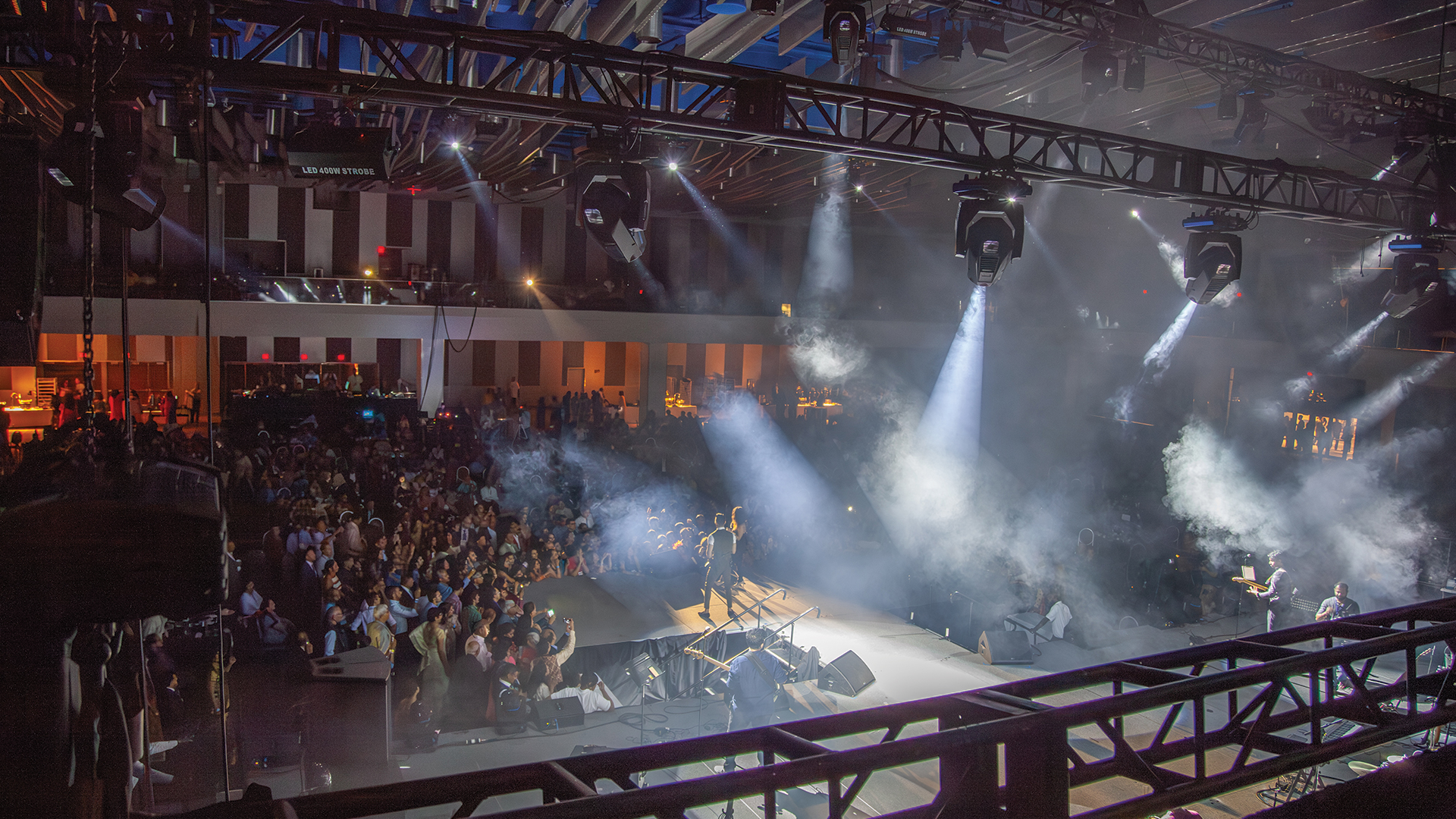
Atmospheric effects transform ordinary venues into otherworldly environments fog machines, hazers, and low-lying fog generators create the visual texture that makes lighting designs leap from functional to magical. These devices, however, possess a notorious tendency to interpret their programming as mere suggestions rather than commands. When fog decides to freelance, productions descend into opacity nightmares that no amount of frantic fan work can solve.
The Opera That Disappeared Into Its Own Atmosphere
A prestigious opera company invested heavily in creating ethereal forest scenes using multiple MDG ATMe hazers—precision instruments renowned for consistent, controllable output. The atmospheric design called for subtle layering that would catch gobo patterns from ETC Source Four ellipsoidals, creating the illusion of dappled sunlight filtering through an enchanted woodland.
Opening night began beautifully. The haze density measured perfectly on the Lighthouse particle counter during pre-show checks. As the overture commenced, the fog equipment delivered exactly the specified atmosphere. Then, approximately twelve minutes into the first act, the hazers collectively decided the forest needed more mystery—substantially more.
Within minutes, the stage transformed from enchanted forest to impenetrable cloud bank. Singers wandered blindly, their voices emerging from the murk while audiences struggled to locate the performers. The conductor lost visual contact with the stage entirely. The DMX control system—a Pharos Designer controller running pre-programmed atmospheric cues—showed all devices at minimum output, yet the hazers continued their unsolicited contribution.
The Science and History of Theatrical Fog
Theatrical fog traces its origins to dry ice effects used since the early twentieth century. Dropping frozen carbon dioxide into heated water created dramatic low-lying fog that hugged stage surfaces—an effect still employed today. The development of glycol-based fog fluids in the 1970s revolutionised atmospheric effects, enabling heated vaporisation that produced consistent, controllable haze.
Pioneers including Rosco developed standardised fog fluid formulations that remain industry standards. The distinction between fog (dense, visible particles) and haze (subtle, light-catching atmosphere) led to specialised equipment categories. Modern oil-based hazers from manufacturers like Look Solutions and Ultratec offer precise control unavailable to earlier generations—when they choose to cooperate.
The Rock Concert’s Visibility Crisis
A stadium tour carrying an arsenal of MDG theONE machines encountered rebellion at an indoor arena with notoriously poor HVAC circulation. The production designer had calibrated output levels based on outdoor shows where natural air movement dissipated excess atmosphere. The enclosed environment created entirely different conditions.
The lighting design featured dramatic beam effects from Claypaky Sharpy Plus fixtures that required precisely calibrated atmospheric density. Too little haze and beams remained invisible; too much and the entire visual design collapsed into homogeneous glow. The machines were set to deliver optimal levels based on previous shows.
Twenty minutes into the set, fog accumulated beyond any useful level. The laser effects—powered by Kvant Clubmax projectors—scattered into useless splatter rather than crisp beams. The video walls appeared increasingly obscured, their expensive content reduced to vague colour suggestions. Security reports described audience members in the first rows coughing and requesting relocation.
Understanding Atmospheric Equipment Behavior
Fog and haze machines behave according to physical principles that venue conditions dramatically influence. Temperature gradients affect particle buoyancy—warm air near lighting fixtures creates updrafts that can concentrate haze in unexpected locations. Humidity levels influence evaporation rates, extending or shortening the hang time of atmospheric effects.
The composition of fog fluids determines output characteristics. Water-based fluids like Le Maitre Neutron produce effects that dissipate relatively quickly. Oil-based formulations from MDG’s Neutral fluid line hang longer but can accumulate when over-applied. Glycol-based fluids occupy the middle ground, with specific formulations optimised for different machine types.
The Theatre Production’s Low Fog Mutiny
A dramatic production featured pivotal scenes requiring low-lying fog effects to create an otherworldly graveyard atmosphere. The technical team deployed Ultratec Radiance hazers combined with chiller units designed to cool glycol-based fog to temperatures that would keep it ground-hugging.
The chiller systems performed admirably during technical rehearsals conducted in an empty theatre. Opening night introduced 800 warm bodies radiating heat that rose through the auditorium, creating convection currents nobody had anticipated. The carefully cooled fog, upon encountering these thermal columns, promptly rose into the air—transforming the ground-level graveyard effect into overhead cloud formations.
The stage manager called increasingly desperate cues to the atmospheric technician. Maximum chiller output, increased fog volume, modified fan configurations—nothing counteracted the audience-generated heat. Actors delivering mournful graveside monologues found themselves bathed in descending clouds rather than surrounded by mysterious ground mist.
Advanced Atmospheric Control Strategies
Managing rebellious fog requires understanding the interaction between equipment, venue, and environmental factors. Professional atmospheric designers conduct site surveys that examine HVAC flow patterns, ceiling heights, and potential thermal influences. The position of air handling returns can dramatically affect haze distribution and accumulation.
Modern productions often employ particle counters for real-time monitoring of atmospheric density. Tools like the Dylos DC1100 or TSI DustTrak provide quantitative measurements that support objective decision-making. Rather than relying solely on visual assessment—which stage lighting can significantly influence—technicians monitor numerical readings that correlate with optimal visual effects.
The Corporate Event’s Smoke Alarm Symphony
A high-profile product launch at a convention centre encountered an atmospheric challenge with consequences beyond artistic disappointment. The event producer specified subtle haze to enhance beam effects during the reveal of their client’s newest innovation. The venue’s fire alarm system, however, had opinions about theatrical fog.
Standard protocol requires smoke detector isolation in production areas—a process involving coordination with venue management and, often, fire marshal approval. Documentation for this particular venue indicated the relevant zones had been isolated. What the paperwork failed to mention was a recent fire safety system upgrade that added secondary photoelectric sensors in areas previously unprotected.
The Jem AF-1 hazer produced output levels well within parameters that had never previously triggered alarms. Three minutes into the CEO’s keynote address, the building erupted in full fire evacuation mode—strobes flashing, horns blaring, automated announcements instructing 3,000 attendees to proceed to exits. The product reveal became the product evacuation.
Health and Safety Considerations
Beyond fire detection interference, atmospheric effects raise legitimate health and safety concerns. Glycol and glycerin fog fluids are generally considered safe at normal exposure levels, but prolonged or intensive use can irritate respiratory systems. The Actors’ Equity Association in the United States and Equity UK have established guidelines limiting performer exposure to theatrical fog.
Oil-based haze fluids, while producing superior visual effects for beam enhancement, require particular attention to ventilation. Extended exposure in poorly ventilated spaces can cause discomfort for both performers and audiences. Production planners must balance artistic requirements against occupational health considerations—a balance that rebellious fog equipment can upset without warning.
Strategies for Atmospheric Compliance
Achieving consistent atmospheric effects requires treating fog equipment as dynamic systems requiring active management rather than set-and-forget devices. Pre-show calibration should include adjustments based on current venue conditions—temperature, humidity, HVAC status, and anticipated audience size all influence optimal settings.
Communication between lighting designers, atmospheric technicians, and stage management enables rapid response to changing conditions. Establishing agreed thresholds—the point at which fog levels become problematic—and clear protocols for intervention prevents situations from deteriorating beyond recovery. Some productions assign dedicated atmospheric operators whose sole responsibility involves monitoring and adjusting output throughout performances.
The relationship between fog equipment and its handlers mirrors broader production dynamics—sophisticated technology requiring human judgment to achieve artistic goals. When fog refuses stage directions, it reminds us that even invisible elements demand respect, understanding, and constant attention. The most successful atmospheric designs emerge from teams who anticipate fog’s potential independence and build systems flexible enough to maintain control when vaporous performers decide to improvise.
