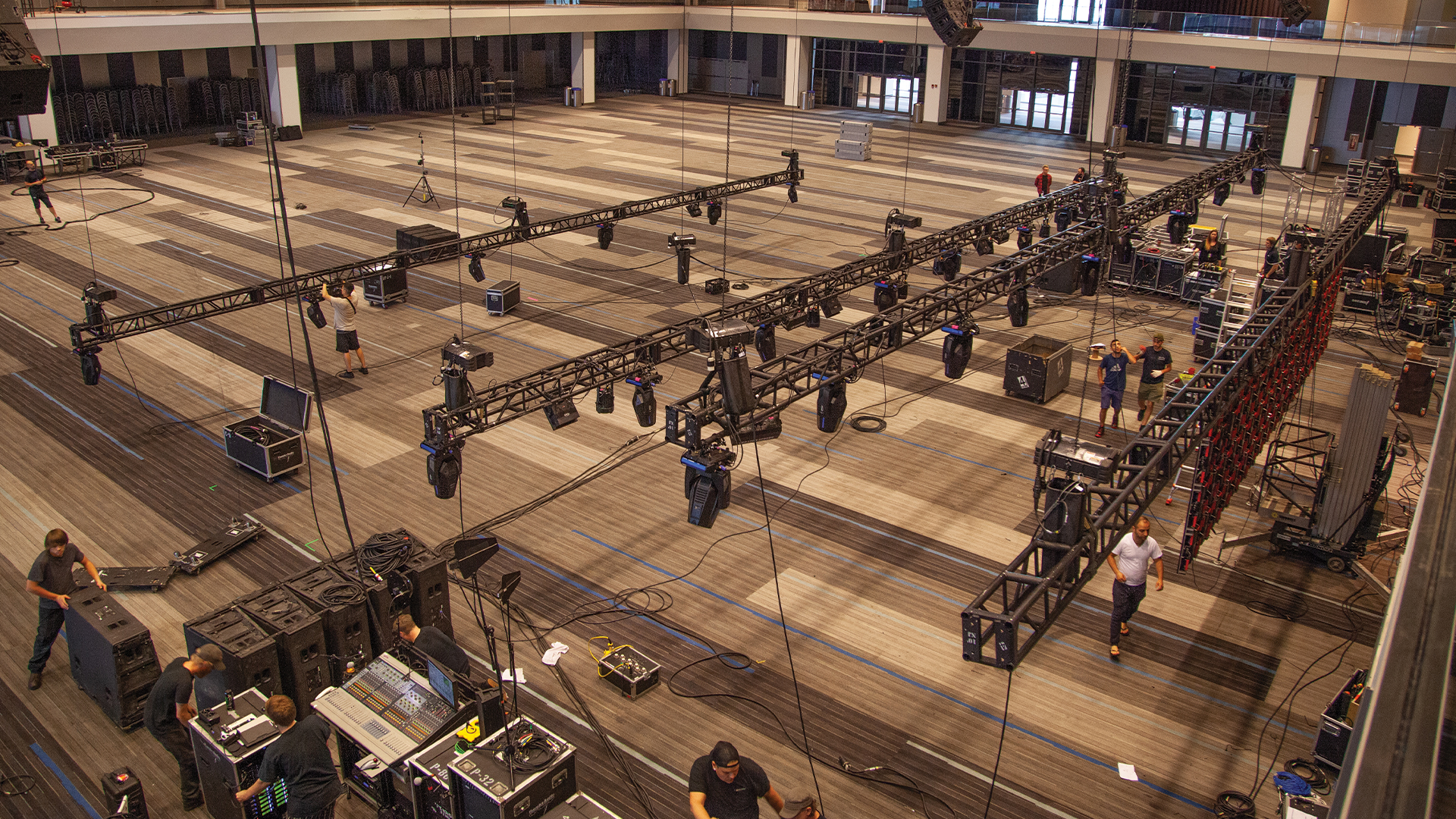
Decades of industry experience and multiple tragic incidents have established clear rigging safety standards, yet truss mistakes continue appearing on production sites worldwide. These errors range from seemingly minor oversights that create cumulative damage to gross negligence that threatens lives. Understanding the most common mistakes—and why experienced crews still make them—helps production teams maintain the vigilance essential for safe operations.
The Historical Context of Rigging Safety
Modern rigging safety standards emerged from tragedy. The 2011 Indiana State Fair stage collapse that killed seven people accelerated regulatory attention to temporary entertainment structures. The 2012 Radiohead stage collapse in Toronto reinforced the need for rigorous engineering oversight. These events transformed industry practices, yet the same fundamental errors that contributed to these disasters continue appearing on sites with less visibility.
The ANSI E1.2 standard provides comprehensive guidance for entertainment rigging, yet many crews remain unfamiliar with its requirements. This knowledge gap enables mistakes that proper training would prevent. Investment in education pays dividends in safety—but productions facing budget pressure often shortchange training.
Exceeding Load Ratings
Perhaps the most dangerous mistake involves exceeding truss load capacities. Truss from manufacturers like Tyler Truss, MILOS, or Prolyte carries specific weight ratings depending on span lengths, support configurations, and loading patterns. Exceeding these ratings degrades truss structurally, potentially causing collapse without warning.
Point loading represents a particularly dangerous error. Truss ratings typically assume distributed loading across spans. Concentrating weight at single points creates stress concentrations exceeding material limits even when total weight falls within specifications. Heavy fixtures like large moving lights or video wall sections require careful positioning relative to structural supports.
Cumulative loading often escapes attention. Productions start with appropriate loads, then add “just one more” fixture multiple times. Each addition seems minor, but accumulation can push truss beyond capacity. Systematic load tracking documentation prevents this creep by maintaining awareness of total suspended weight.
Improper Connection Hardware
Truss connections using incorrect or damaged hardware create weak points throughout structures. Conical couplers must match truss manufacturer specifications—mixing hardware from different systems can result in apparently solid connections that fail under load. Visual similarity doesn’t guarantee mechanical compatibility.
Missing or undertorqued bolts represent distressingly common findings. Connections require all specified hardware properly tightened. A coupler missing even one bolt loses significant strength. Crews rushing through builds sometimes “plan to return” for final tightening but forget during busy load-ins.
Damaged hardware should never remain in service. Bent bolts, cracked couplers, or stripped threads indicate stress that compromises structural integrity. Establish hardware inspection protocols removing questionable components from inventory rather than hoping they survive another use.
Inadequate Bracing and Stability
Ground-supported truss towers require proper base bracing preventing lateral movement. Outriggers must extend far enough to create stable footprints, with ballast weight countering overturning forces. Productions frequently underestimate required ballast, creating structures vulnerable to collapse from wind or accidental contact.
Horizontal truss spans need lateral bracing preventing rotation under eccentric loads. Asymmetric equipment placement creates twisting forces that unbraced truss cannot resist. Productions sometimes hang everything from one side of horizontal trusses without considering rotational stability.
Chain motor support points must align with truss capabilities. Attaching motors at points other than designated pick locations concentrates loads inappropriately. Truss manufacturers specify approved pick points—using these locations ensures loads transfer into truss structure safely.
Ignoring Environmental Factors
Outdoor installations face environmental forces that indoor rigging avoids. Wind loading on truss structures increases dramatically with height and exposure. The same truss configuration safe in a protected courtyard might be dangerous in an open field with wind exposure.
Temperature variations affect aluminum truss differently than steel ground supports, potentially creating unexpected stresses as structures expand and contract at different rates. Long outdoor installations spanning temperature extremes require engineering consideration of thermal effects.
Ice and snow accumulation adds weight that productions rarely anticipate. An overnight snowfall can deposit hundreds of pounds on horizontal truss surfaces. Outdoor winter events require either continuous monitoring for accumulation removal or engineering analysis accounting for potential snow loads.
Secondary Attachment Failures
Industry standards require secondary attachments—safety cables—on all suspended equipment. These backups prevent equipment from falling if primary attachments fail. Yet crews routinely skip safeties, assuming primary attachments are sufficient.
When crews do install safeties, they often select inappropriate hardware. Aircraft cable ratings must exceed the weight of protected equipment. Carabiners and clips require proper orientation and appropriate rated capacity. A safety line using undersized cable or improper connectors provides false security.
Safety cable routing matters significantly. Cables should attach as close to vertical as possible above equipment, limiting fall distance if primary attachments fail. Long diagonal runs allow equipment to swing when safeties engage, potentially striking workers or other equipment.
Communication and Documentation Gaps
Complex rigging operations require clear communication protocols coordinating multiple departments and dozens of workers. Miscommunication during motor operations can result in uneven lifting that stresses truss connections. Crews must understand standardized commands and acknowledgment procedures.
Documentation proving structural adequacy often goes missing or never exists. Engineering calculations demonstrating safe load distributions should accompany complex installations. When incidents occur, investigators examine documentation—productions lacking proper records face increased liability regardless of actual practices.
Sign-off procedures confirming installation completeness often lack rigor. Pre-flight checklists verifying all connections, safeties, and load distributions should precede any truss system becoming operational. The aviation industry’s checklist culture has proven value that entertainment rigging should embrace more thoroughly.
Training and Supervision Deficiencies
Inexperienced crews working without adequate supervision make preventable errors. Qualified rigger supervision should oversee all rigging operations, with authority to stop work when safety concerns arise. Productions pressuring supervisors to overlook problems create dangerous conditions.
Fatigue from long hours degrades judgment and attention. Workers completing sixteen-hour days make mistakes fresh crews would catch. While production economics drive extended schedules, responsible productions recognize that fatigue management represents a safety requirement, not merely a comfort consideration.
The persistence of common truss mistakes despite industry knowledge reflects competing pressures between safety and production efficiency. Eliminating these errors requires organizational commitment extending beyond individual crew members. Productions prioritizing safety in culture, not just policy, protect workers while avoiding the catastrophic incidents that destroy careers, companies, and lives.
