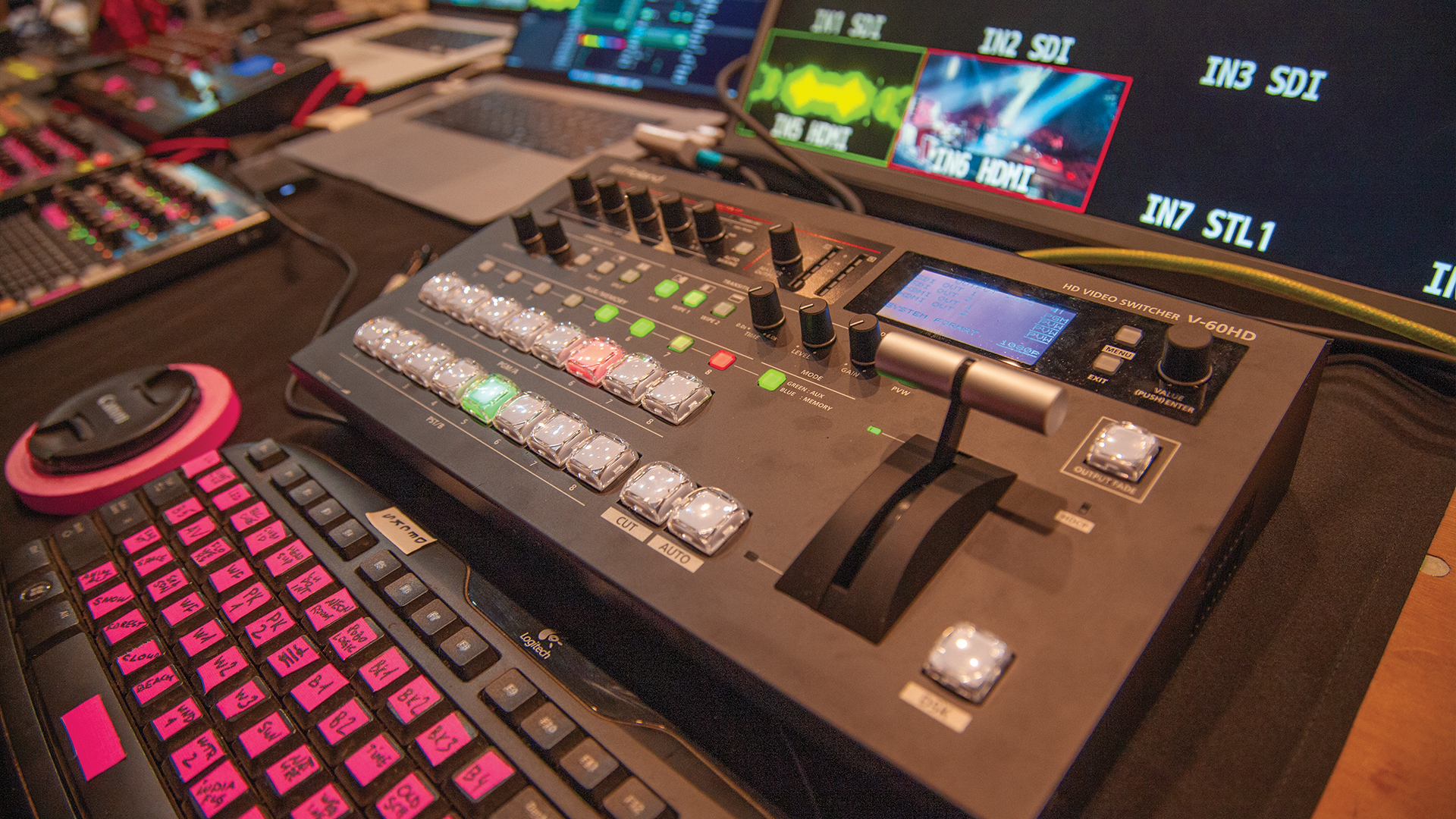
The theatre world transformed dramatically when Figure 53 released QLab in 2007, giving production teams a tool that finally spoke their language. Before this macOS-native software existed, show operators juggled multiple CD players, triggering sound effects manually while hoping their timing matched the actors on stage. Today, from off-Broadway houses to massive touring spectacles like Cirque du Soleil, this cue-based playback system has become as essential as the lighting board itself.
The Evolution of Show Control Technology
Understanding why QLab dominates live production requires a brief journey through show control history. During the 1980s, venues relied on expensive proprietary systems from companies like Richmond Sound Design, which required specialized training and substantial budgets. The MIDI Show Control protocol emerged in 1991, creating standardized communication between equipment, but running shows still demanded complex hardware configurations that intimidated many operators.
Figure 53’s breakthrough came from recognizing that theatre technicians needed software designed around their workflow, not adapted from broadcast or recording applications. The company built QLab’s architecture around the fundamental concept of sequential cue execution, mirroring exactly how stage managers have called shows since the invention of modern theatre.
How QLab’s Cue Structure Mirrors Production Workflows
Every production operates on cues—moments when something must happen precisely on command. QLab organizes these moments in cue lists that operators navigate sequentially, exactly like the paper prompt books that stage managers have used for centuries. When the stage manager calls “GO,” the operator presses the spacebar, and the programmed action executes instantly.
The software supports multiple cue types including audio, video, lighting commands via OSC (Open Sound Control), camera feeds, and even network messaging to trigger other systems. A single spacebar press can simultaneously fire a thunder sound effect, flash the stage lights via an ETC Eos console, trigger a video projection through a Watchout system, and start a fog machine—all with millisecond precision.
Integration Capabilities That Set QLab Apart
Professional productions rarely run isolated systems. Modern shows integrate lighting consoles from manufacturers like ETC, High End Systems, and MA Lighting with audio systems from Meyer Sound, d&b audiotechnik, and L-Acoustics. QLab serves as the central hub connecting these disparate systems through multiple protocols.
The software communicates with lighting desks using MSC (MIDI Show Control) commands, allowing a single QLab workstation to trigger lighting cues on an ETC Ion or GrandMA3 console. For more complex integration, the OSC protocol enables bidirectional communication with projection servers like Disguise (formerly d3), allowing video content to respond dynamically to live show elements.
Dante audio networking has revolutionized how productions route sound, and QLab’s Dante support means individual cues can target specific speakers across a networked venue. A production might route dialogue reinforcement through main speakers while environmental effects emerge from surround channels, all managed within a single cue list.
Reliability Features Production Teams Demand
Live entertainment tolerates zero failure. When 2,000 people fill a theatre, the show must proceed regardless of technical hiccups. QLab addresses this through redundant playback configurations where two synchronized Mac systems run identical show files, with automatic failover if the primary machine encounters problems.
The software’s pre-show checkout features allow technicians to verify every cue before audiences arrive. Operators can test audio routing, confirm video outputs reach correct projectors, and verify that external system triggers fire properly—all without running the entire show sequentially.
The Economic Advantage for Production Budgets
Compared to dedicated show control hardware from manufacturers like Medialon or Alcorn McBride, QLab offers remarkable value. The basic audio and video license costs a fraction of proprietary alternatives, while delivering functionality that satisfies most production requirements. Even the full professional license with all features enabled represents a modest investment compared to hardware-based solutions.
This accessibility democratized professional-grade show control. Regional theatres that previously could afford only basic CD playback now run sophisticated multimedia productions. Educational institutions teach students on the same platform used by Broadway professionals, preparing graduates for industry expectations.
Practical Techniques for Complex Productions
Experienced QLab programmers develop workflows that maximize efficiency during technical rehearsals. Using group cues allows complex sequences to fire as single actions while remaining editable as individual components. A lightning storm might contain separate cues for the initial flash, thunder rumble, rain ambience, and wind effects, but execute as one unified event.
The hotkey triggers functionality enables operators to handle unexpected moments. Assigning specific cues to keyboard shortcuts means the operator can instantly replay an audience applause track if actors take additional bows, or trigger an emergency announcement without scrolling through hundreds of sequential cues.
Smart programmers build escape routes into their cue structures, creating checkpoint cues at scene beginnings that reset all systems to known states. If something goes wrong during a performance, jumping to a checkpoint restores the show to a stable condition without requiring a complete restart.
The Touring Production Advantage
National tours visiting different venues each week face unique challenges. QLab’s portable architecture means the show file travels on a laptop, adapting to whatever equipment each venue provides. Using OSC commands rather than hardcoded hardware addresses allows the same show file to control different lighting consoles in each city.
The software’s workspace auditing features verify that all required media files exist and audio outputs match available hardware before each performance. This prevents the nightmare scenario of discovering missing sound effects minutes before curtain.
Looking Toward Future Productions
Figure 53 continues developing QLab with features addressing emerging production techniques. Support for spatial audio systems enables immersive soundscapes that track performer movement. Integration with automation control systems allows cues to trigger scenic elements, expanding beyond audio and video into comprehensive show control.
The production community’s investment in QLab expertise ensures its continued dominance. Thousands of trained operators worldwide, extensive online resources, and active user forums create a support ecosystem unmatched by competing platforms. For productions demanding reliable, flexible, and affordable cue-based show control, QLab remains the industry’s definitive choice.
