The Psychology of First Impressions in Light
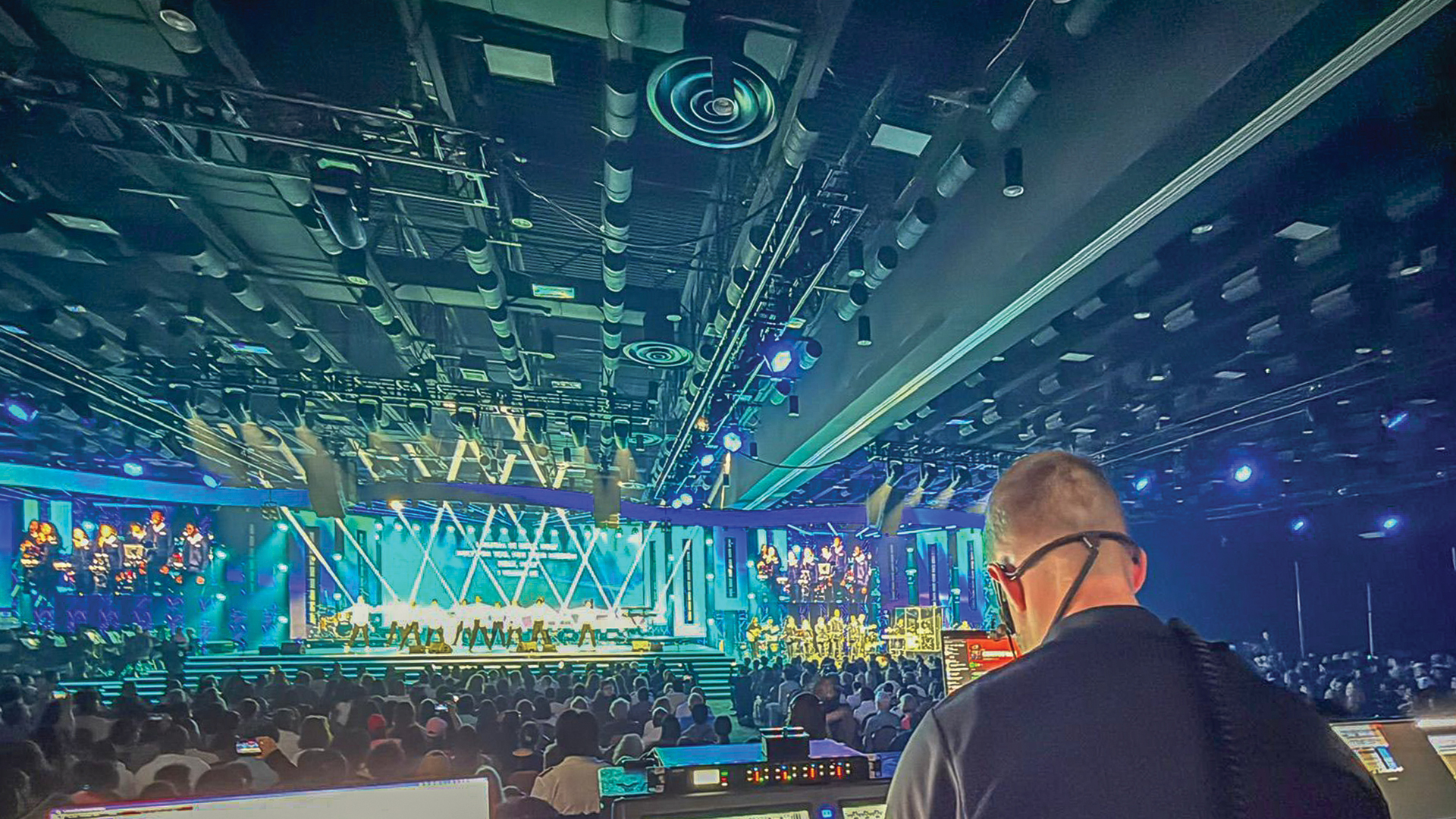
The house lights dim. Two thousand attendees fall silent. In that pregnant pause before the first speaker appears, lighting design does the heavy lifting that no other production element can accomplish. These opening moments establish emotional tone, signal production quality, and prime audiences for everything that follows. Getting them right separates forgettable events from transformative experiences.
The neuroscience supporting dramatic lighting introductions has been studied since the 1970s when theatrical researchers at Yale School of Drama began measuring audience physiological responses to lighting changes. Their findings—that gradual lighting transitions increase anticipatory tension while sudden changes create alertness—inform professional design choices today.
Legendary lighting designer Jean Rosenthal, who defined Broadway aesthetics from the 1940s through 1970s, understood that opening moments demand special attention. Her innovations—including the now-standard practice of pre-show states that shift to opening looks—established conventions that corporate and event production inherited and continue refining.
Building Anticipation Through Pre-Show States
The pre-show lighting state that audiences encounter upon entering a venue establishes baseline expectations. A room washed in corporate blue from ETC Source Four LED Series 2 fixtures signals professional production. A room lit only by exit signs and aisle markers signals either budget constraints or deliberate theatrical ambiguity.
The transition from pre-show to opening moment benefits from what lighting designers call the attention focus progression. Using moving lights like Martin MAC Encore or Robe ESPRITE fixtures, designers gradually concentrate illumination from broad venue coverage to stage focal points, physically directing audience attention toward where action will occur.
Gobo projection during pre-show states creates textural interest without revealing the full lighting capability reserved for opening moments. Abstract patterns from GAM Products or Rosco gobo catalogs—branches, clouds, architectural motifs—provide visual engagement while the full reveal awaits later.
The Blackout Transition Technique
The complete blackout before opening moments represents one of lighting design’s most powerful tools—and most dangerous. Done well, the darkness creates anticipatory tension that amplifies whatever illumination follows. Done poorly, the blackout simply confuses audiences or invites unwanted cell phone use that breaks the spell.
The duration of opening blackouts directly affects audience psychology. Research by the PLASA Technical Standards Program suggests 3-5 seconds creates optimal anticipation without triggering audience discomfort. Longer blackouts require audio elements—music swells, sound effects, or voice-of-god announcements—to maintain engagement.
Safety lighting requirements complicate complete blackout ambitions. Fire codes in most jurisdictions require minimum illumination in occupied spaces. The solution—maintaining work lights at approximately 0.5 foot-candles aimed at aisle floors rather than audience sightlines—satisfies codes while preserving the subjective experience of complete darkness.
The Opening Reveal Palette
The color palette of opening moment lighting communicates emotional intent before conscious processing occurs. Cool white and cyan combinations signal technology, innovation, and forward-thinking—perfect for product launches. Warm amber and red combinations evoke passion, urgency, and energy—ideal for motivational openings. Deep blue and magenta combinations create mystery and sophistication suitable for luxury brand events.
The ETC ColorSource and Chauvet Colorado fixture families offer lighting designers access to full-spectrum color mixing, enabling any opening palette imaginable. The color rendering capabilities of modern LED fixtures—measured in CRI and TLCI ratings—ensure that colors chosen in design software translate accurately to venue execution.
Color temperature decisions affect how audiences perceive opening moments. A 3200K warm white opening suggests intimacy and approachability, while a 5600K cool white opening suggests clarity and precision. The tungsten-to-daylight spectrum provides emotional gradations that skilled designers manipulate intentionally.
Movement and Dynamics in Opening Moments
Moving light choreography during opening moments creates kinetic energy that static lighting cannot achieve. Fixtures like the Clay Paky Sharpy Plus or High End Systems SolaFrame execute precise movements programmed through grandMA3 or ETC Eos consoles, creating light beams that sweep, converge, and diverge in coordinated patterns.
The tempo of lighting movements must synchronize with accompanying audio. An opening musical build at 120 BPM demands lighting movements that match that pulse; mismatched tempos create subconscious dissonance that undermines the unified emotional impact both elements should achieve together.
Haze and atmosphere dramatically enhance moving light visibility. Products from MDG or Look Solutions create the atmospheric density that transforms invisible light beams into visible sculptural elements. Without atmospheric enhancement, expensive moving light choreography remains essentially invisible to audiences.
Intensity Curves and Revelation
The intensity curve of opening moment lighting—how brightness changes over time—shapes audience emotional response. A slow crescendo from darkness to full stage wash creates anticipation and wonder. An instant snap to full intensity creates surprise and energy. These fundamentally different curves serve different event personalities.
Programming fade times requires understanding human visual adaptation. The eye adjusts to brightness changes over approximately 0.3 seconds; lighting fades faster than this threshold create perceptible flash effects, while slower fades feel natural and gradual. Opening moments deliberately manipulate these thresholds for emotional effect.
Layered revelation techniques progressively reveal stage elements through sequential lighting additions. First, backlight silhouettes appear; then, set piece edges illuminate; finally, full stage wash reveals everything. This progression guides audience visual processing, preventing the overwhelm that simultaneous full revelation creates.
Technology Integration for Contemporary Openings
LED video walls and lighting increasingly merge in contemporary opening moments. Synchronizing ROE Visual or Absen video content with lighting fixtures through timecode triggers creates unified visual experiences where pixels and photons dance together. Systems like Notch enable real-time generative content that responds to lighting console data.
Laser systems from KVANT or X-Laser add opening moment impact that traditional lighting cannot match. The crisp geometry of laser beams combined with haze creates architectural light structures—cones, tunnels, and curtains—that establish production scale. Laser operation requires ILDA certification and variance filings, adding planning complexity.
Pyrotechnic effects including confetti cannons, CO2 jets, and flame effects coordinate with lighting for maximum opening impact. Products from Magic FX and Ultratec Special Effects synchronize through DMX control, enabling lighting designers to trigger atmospheric effects directly from consoles.
Practical Implementation Workflows
Pre-visualization software including WYSIWYG from Cast and Vectorworks Spotlight enables designers to develop opening moment concepts before arriving at venues. These tools simulate fixture behavior, allowing programming refinement that maximizes limited rehearsal time.
Technical rehearsal time for opening moments should be proportionally generous. While a two-hour technical rehearsal might allocate 15 minutes to perfecting opening lighting, productions with ambitious opening concepts may need 30-45 minutes. Communicate these requirements during advance planning to avoid compressed schedules.
When your next event approaches, remember that opening moment lighting isn’t decoration—it’s psychology made visible. The choices made in those first seconds establish everything audiences expect from subsequent hours. Invest design attention proportional to this outsized influence, and watch how elevated openings transform entire event experiences.
