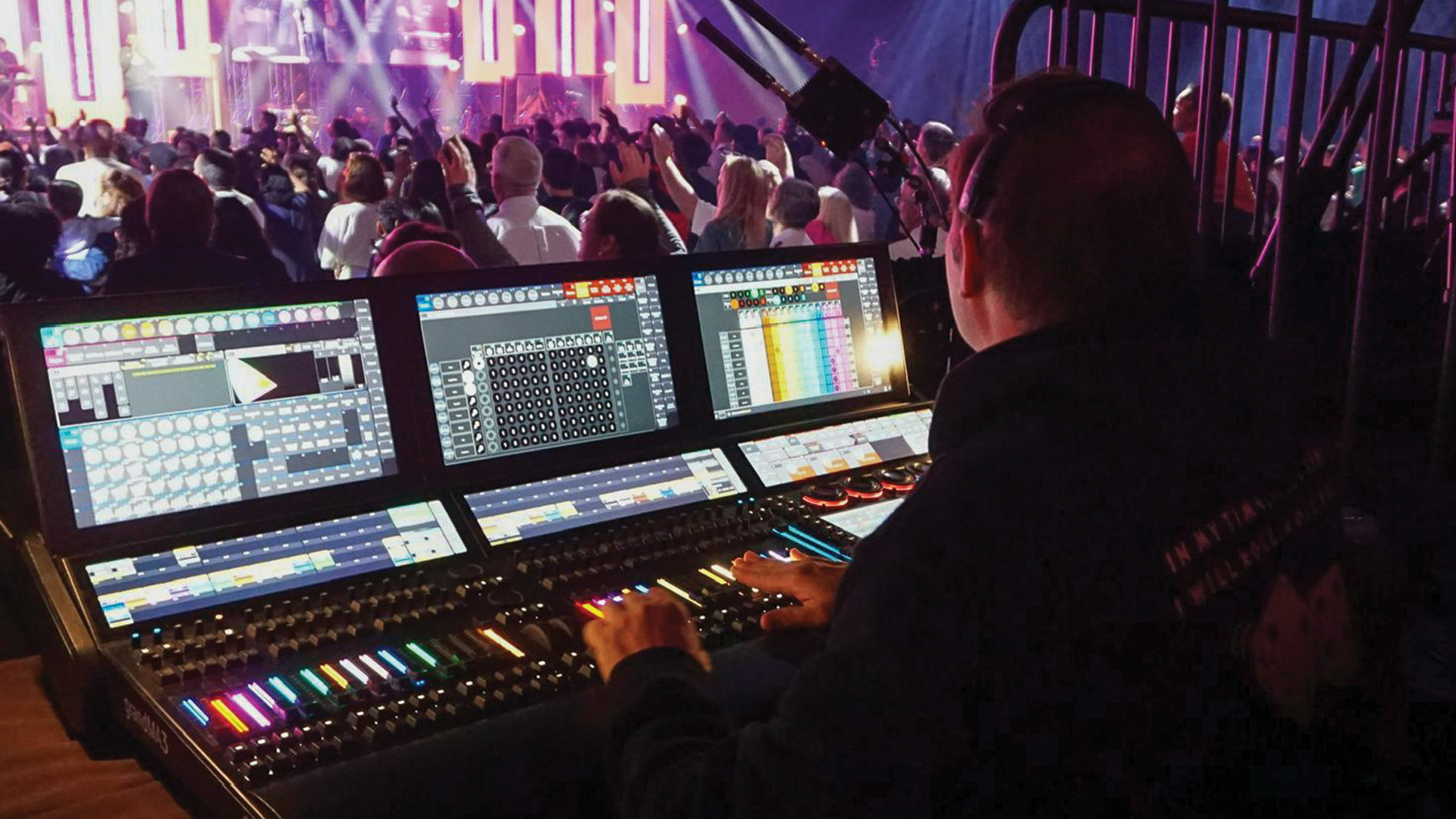
The audience never witnesses the controlled chaos that transforms a bare stage into theatrical magic. Tech rehearsals represent the crucible where every production element converges, often revealing problems nobody anticipated and demanding solutions that test even veteran crews. These marathon sessions determine whether opening night will triumph or stumble, making them among the most critical and stressful periods in any production’s journey.
The Historic Evolution of Technical Rehearsals
Theatre historians trace formalized technical rehearsal practices to the late 19th century when gaslight gave way to electrical illumination. Suddenly, operators needed standardized procedures to coordinate this powerful new technology with performers. David Belasco’s productions at his Broadway theatre in the 1900s pioneered many tech process conventions still practiced today, including dedicated sessions for integrating scenery, lighting, and sound separately before combining everything.
Modern tech rehearsals have expanded dramatically in scope and complexity. Where Belasco’s crews coordinated perhaps fifty lighting cues using manual dimmers, contemporary productions running on ETC Eos or GrandMA3 consoles might execute thousands of precisely timed changes across moving lights, LED walls, and automated scenery.
Paper Tech: The Planning Foundation
Before anyone enters the venue, the paper tech session establishes the production’s technical roadmap. The stage manager gathers with designers—lighting, sound, scenic, projections—along with the director to walk through every moment requiring technical execution. This meeting generates the cue sheet that will guide the actual tech process.
Experienced production managers insist on thorough paper tech sessions because they prevent expensive time waste during actual tech. Discovering that the lighting designer expected a fifteen-second transition where the director envisioned five seconds costs nothing in a conference room but might derail an entire rehearsal day if discovered during cueing.
Dry Tech: Systems Without Performers
The dry tech period allows technical departments to operate their systems without actors present. Scenic crews practice flying drops using the venue’s counterweight rigging or programming automated Scenic Technologies winches. Lighting programmers build their cues on the console while electricians focus followspots and adjust fixture positions.
Sound engineers use dry tech to verify their system design performs as modeled. Running SMAART analysis software reveals frequency response issues the room introduces, allowing them to apply corrective EQ through their Yamaha CL5 or DiGiCo SD series console before voices ever need amplification.
Cue-to-Cue: The Systematic March
Once individual departments have prepared their systems, cue-to-cue rehearsals begin integrating everything. Actors walk through their blocking but skip dialogue, stopping at each moment requiring technical execution. The stage manager calls the cue, operators execute it, and everyone evaluates whether it achieves the desired effect.
This process tests the coordination between QLab playback systems, lighting consoles, and automation controllers. The stage manager might discover their call comes too early for the scenic movement to complete, or that the sound cue drowns dialogue the director considers essential. Each problem requires immediate troubleshooting while the company waits.
Veteran stage managers develop efficient cue-to-cue techniques that minimize idle time. They sequence notes efficiently, addressing problems department by department rather than jumping between unrelated issues. When a lighting adjustment requires several minutes, skilled SMs release other departments to prepare for subsequent scenes.
The Tension Between Departments
Tech rehearsals inevitably surface conflicts between creative visions. The lighting designer wants darker scenes to enhance mood, but the director needs audiences to see actors’ faces. The sound designer‘s atmospheric underscore competes with dialogue clarity. Scenic transitions designed in isolation take longer than the musical score allows.
Resolving these conflicts requires diplomatic production management and clear hierarchy. On professional productions, the director holds final authority, but wise directors defer to technical expertise on execution matters. A lighting designer might compromise on overall intensity while the director accepts different compositional choices that maintain visibility.
Technical Problem Solving Under Pressure
Every tech rehearsal encounters problems demanding immediate solutions. A Martin MAC Viper moving light develops motor issues during programming. The d&b audiotechnik array produces unexpected feedback when performers stand in certain positions. The DMX distribution from the lighting console to the upstage truss develops intermittent signal loss.
Experienced crew chiefs maintain troubleshooting protocols that systematically isolate problems. Rather than guessing randomly, they trace signal paths, swap components methodically, and document every test. This discipline prevents the panicked chaos that wastes precious tech time and demoralizes companies.
Run Throughs: Testing the Complete Vision
After cue-to-cue completion, technical run throughs execute the show continuously, simulating actual performance conditions. The production team finally sees how all elements flow together, revealing timing issues that isolated cue work missed. A lighting transition might work perfectly in isolation but feel jarring when experienced within the show’s dramatic rhythm.
These runs generate extensive notes requiring overnight implementation. The lighting programmer might spend hours after rehearsal adjusting cue timing, modifying color palettes, and rebuilding looks that seemed right during programming but failed in context. Sound engineers tweak mix levels, adding compression or adjusting effects parameters their Waves plugins provide.
Managing the Human Element
Tech rehearsals test everyone’s patience and professionalism. Actors wait through technical adjustments while sitting in uncomfortable costumes. Crews work extended days, often exceeding twelve hours with mandatory meal breaks providing the only respite. Designers watch their carefully crafted visions compromised by practical limitations or creative disagreements.
Smart production managers build schedule buffers anticipating problems. Union regulations mandate specific rest periods and overtime provisions that production budgets must accommodate. IATSE rules require meal breaks at six-hour intervals, and crews forced to skip breaks receive penalty pay that can devastate tight budgets.
Technology Accelerating the Process
Contemporary productions leverage technology to streamline tech rehearsals. Vectorworks and AutoCAD plots translate directly into console programming, reducing setup time. Lighting designers using MA3D or WYSIWYG previz software arrive with cues already roughed in, requiring only refinement in the actual space.
Digital communication tools allow real-time note taking accessible to all departments. Applications like Production Pro and ShowTrack replace paper tracking with synchronized databases, ensuring everyone works from identical information. Changes made during afternoon sessions appear immediately on evening call sheets.
The Final Push to Opening
As tech week concludes and dress rehearsals begin, the production achieves its final form. Costumes join the equation, sometimes revealing sightline issues that require lighting adjustments. Quick changes backstage demand coordination with scenic transitions, occasionally forcing revisions to carefully programmed sequences.
The culmination of successful tech rehearsals appears when the stage manager calls “Places” for opening night. All those hours of patient cueing, problem solving, and diplomatic negotiation manifest in seamless technical execution that audiences experience as theatrical magic. The controlled chaos transforms into controlled artistry, justifying every challenging moment of the tech process.
