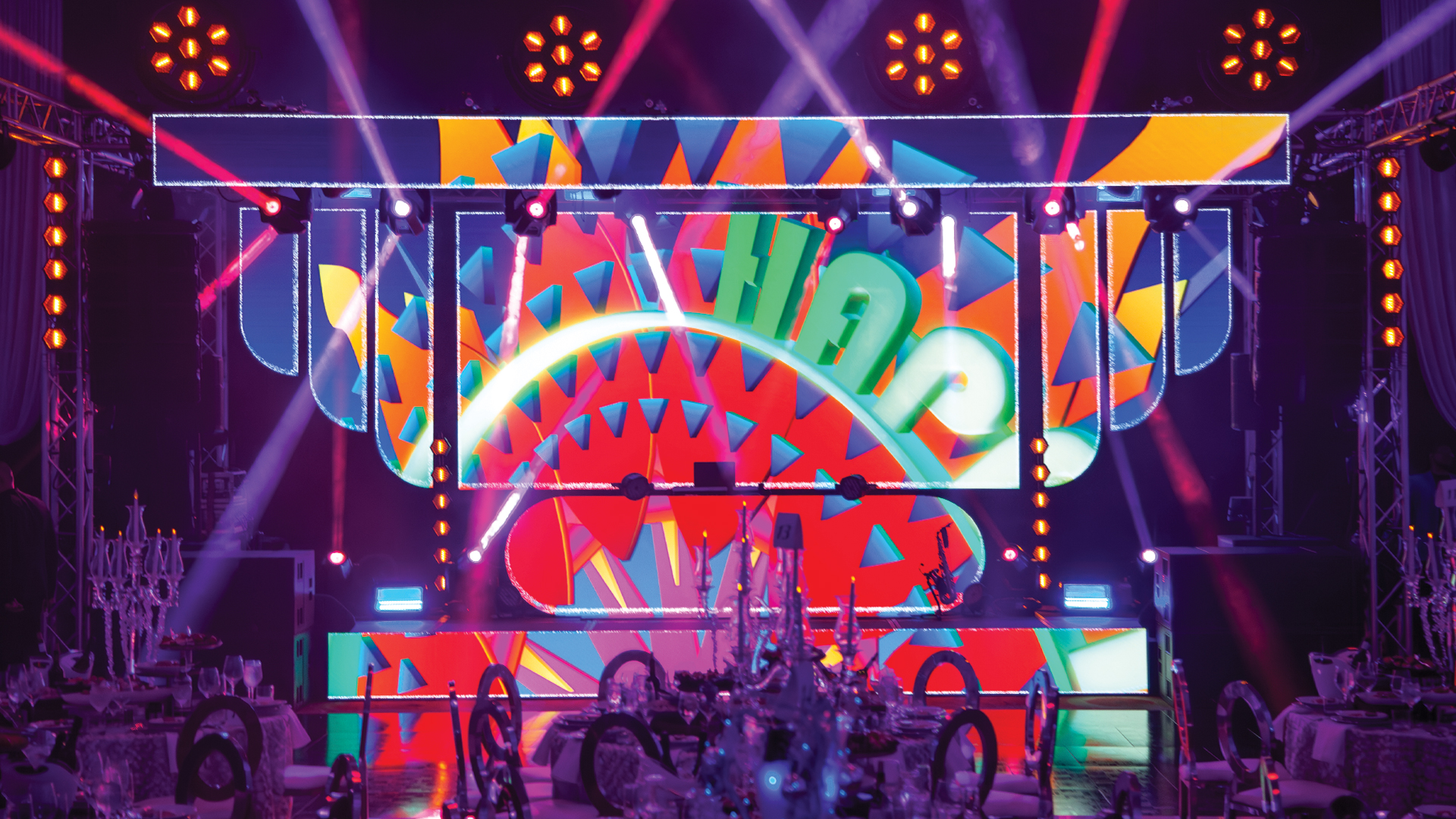
The host paces across forty feet of polished stage surface, microphone in hand, feeding off the crowd’s electricity while cameras track every gesture. This isn’t a talk show studio—it’s a corporate awards ceremony designed to feel like Saturday Night Live meets the Oscars, and the stage architecture makes it possible. Designing performance environments for high-energy host-led events requires understanding psychology, sightlines, and the invisible technical infrastructure that lets charismatic presenters command rooms of thousands.
Historical Context: From Vaudeville Stages to Modern Spectacle
The fundamentals of energetic stage design trace directly to early twentieth-century vaudeville houses, where performers needed platforms that projected intimacy to balcony seats while providing physical space for dynamic movement. When architect Thomas Lamb designed the Palace Theatre in 1913, he incorporated a thrust stage extending into the audience—a configuration that remains the foundation for host-centric events over a century later.
Television production in the 1950s introduced new constraints and possibilities. Shows like The Ed Sullivan Show proved that cameras could capture energy that transferred through screens, but only when stages provided adequate depth for blocking variety. Modern event designers inherit this dual requirement: stages must satisfy both live attendees and the inevitable video documentation destined for social media distribution.
The Thrust Configuration: Why Extensions Change Everything
Conventional proscenium stages create psychological barriers between performers and audiences, positioning hosts as exhibits behind invisible glass. Thrust extensions—platforms projecting outward into seating areas—demolish this separation. Production companies like Taylor Global have built reputations designing custom thrust systems that place hosts within arm’s reach of front-row attendees while maintaining practical camera positions.
The mathematics of thrust design balance multiple variables. Extensions typically range from twelve to twenty-four feet depending on venue depth, with widths matching or slightly exceeding the main stage opening. Structural engineers from firms like ATOMIC calculate load requirements assuming dynamic loads from running, jumping hosts—typically specifying platforms rated for 150 pounds per square foot rather than the 50-pound static ratings acceptable for furniture displays.
Surface Selection: Beyond Aesthetics to Performance
Floor finishes impact host performance more than most producers realize. High-gloss surfaces photograph beautifully under studio lighting but create slipping hazards for active presenters wearing dress shoes. The industry solution emerged from theatrical supply companies like Rosco, whose matte-finish dance floors provide traction without sacrificing visual appeal when properly lit.
Color selection involves similar tradeoffs. Jet black floors absorb light, creating dramatic floating effects but requiring increased fixture counts to prevent hosts from disappearing into shadow. Medium gray surfaces balance these concerns, reflecting enough light for facial illumination while maintaining sufficient contrast with typical corporate color schemes. Companies like ShowTex supply pre-colored flooring systems in dozens of shades, allowing designers to match exact Pantone specifications when brand guidelines demand precision.
Stair Integration: The Broadway Approach
Nothing announces a star entrance like a descent down a properly designed staircase. Broadway productions have perfected stair engineering over decades, establishing standards that corporate event designers now adapt. Optimal riser heights measure seven inches with tread depths of eleven inches—proportions that allow natural walking rhythm without requiring hosts to watch their feet during entrances.
Lighting stairs for high-energy events demands particular attention. LED strip lighting embedded in riser faces, controlled through DMX protocols via consoles like the ChamSys MagicQ series, provides both safety illumination and dramatic effect. The key technique involves programming subtle chase patterns that lead the eye upward or downward depending on traffic direction, creating visual momentum that enhances movement energy.
Audio Architecture: IEM Systems and Stage Monitors
High-energy hosts feeding off crowd response need audio systems that deliver both clarity and emotional connection. In-ear monitor systems from manufacturers like Shure and Sennheiser provide pristine audio quality but isolate performers from ambient room energy. Many experienced hosts prefer wedge monitors for this reason, accepting increased feedback risk in exchange for visceral connection to audience reactions.
The compromise solution, increasingly standard at major productions, combines IEM clarity with carefully managed house sound bleed. Audio engineers using digital consoles like the Yamaha CL5 or Allen & Heath dLive create custom monitor mixes featuring direct audio plus delayed audience pickup from hang microphones, simulating the ambient experience while maintaining feedback-safe headroom.
Wireless Infrastructure: The RF Coordination Challenge
Active hosts moving across expansive stages stress wireless microphone systems in ways that stationary presenters never approach. The industry transition from analog to digital wireless—exemplified by systems like the Shure Axient Digital platform—addressed many historical dropout concerns, but proper antenna placement remains critical. Production companies typically specify diversity antenna systems with coverage zones overlapping by at least thirty percent to prevent dead spots during rapid stage crosses.
Frequency coordination at major venues involves software tools like Shure Wireless Workbench and Professional Wireless Systems‘ IAS platform, which scan available spectrum and calculate interference-free frequency assignments. Events in major metropolitan areas routinely compete with television broadcasts, cellular infrastructure, and other productions for limited spectrum resources, making professional RF coordination essential rather than optional.
Lighting for Movement: Following Without Following
Traditional followspot operation struggles with the unpredictable movements of high-energy hosts. Operators cannot anticipate spontaneous audience interactions or improvised stage crosses, resulting in either restrictive blocking that constrains host energy or visible lighting lag that diminishes production polish. Modern solutions employ automated fixtures with tracking capabilities—systems like the ZACTRACK real-time tracking platform that position moving lights using wearable sensors.
The subtle art involves programming fixtures to anticipate rather than react. Experienced lighting designers build what they call probability zones—preprogrammed positions corresponding to likely host locations during specific show segments. As hosts move toward these zones, fixtures subtly shift in advance, creating lighting that appears prescient rather than reactive. This technique transforms potentially chaotic energy into controlled spectacle.
Scenic Elements That Enhance Rather Than Restrict
Set pieces for host-led events must survive physical contact without wobbling, looking damaged, or creating safety hazards. Industrial designers from scenic fabrication shops like ShowMotion specify aluminum extrusion frames clad in durable materials rather than the lightweight foam constructions acceptable for static displays. Every element within host reach receives stress testing assuming repeated contact throughout multi-day events.
The most successful designs incorporate interactive elements that reward host engagement. Spinning panels, touch-responsive LED surfaces, and pneumatic reveal mechanisms transform scenic pieces from background decoration into performance partners. When hosts can interact with their environment, energy levels naturally escalate as performers discover new possibilities during each show repetition.
