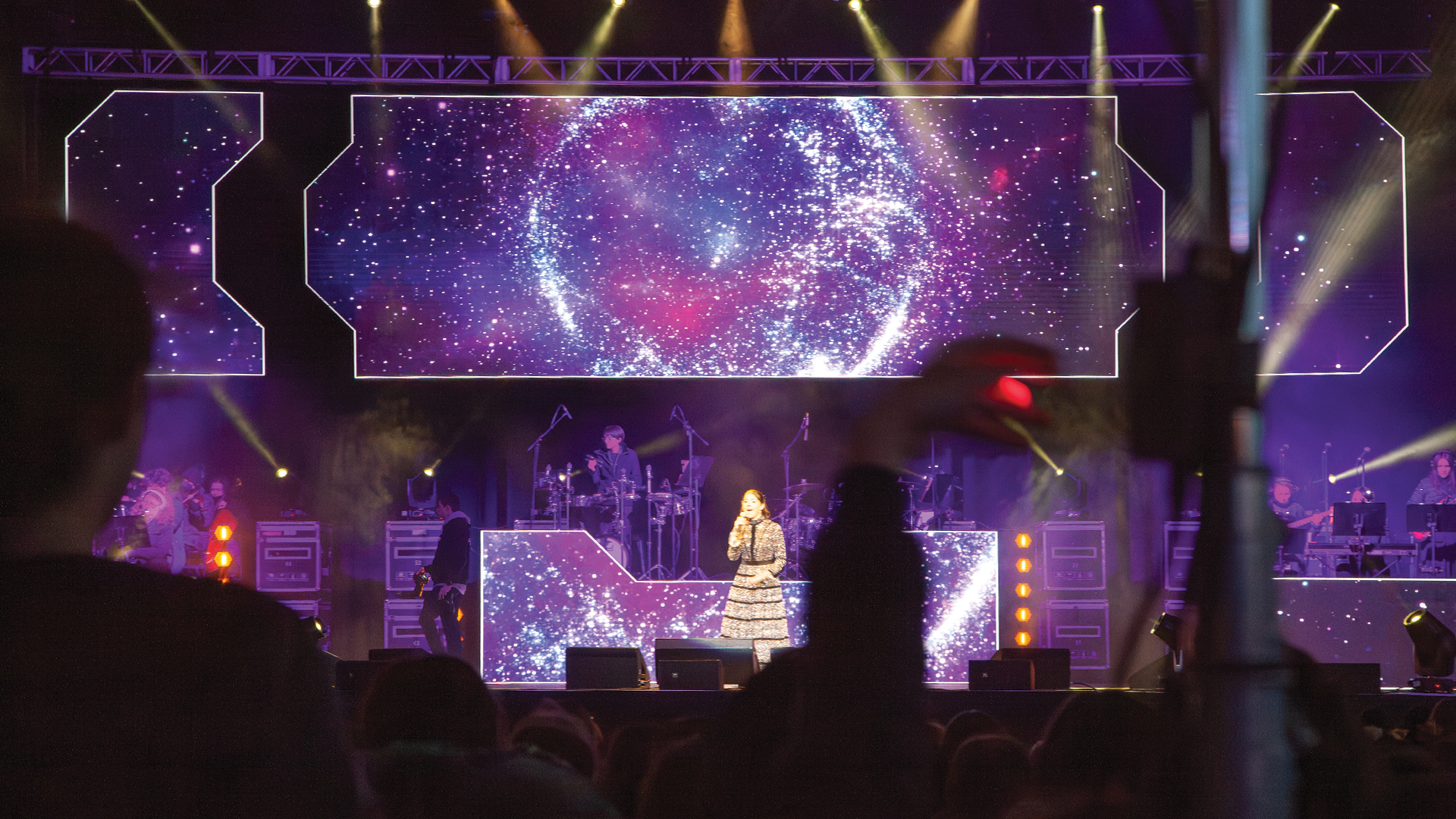
There’s a particular kind of chaos that defines successful host-led events—the controlled pandemonium where energy flows between presenter and audience like electricity seeking ground. Designing stages for these productions demands fundamentally different thinking than creating backdrops for teleprompter-driven keynotes. When your host moves, improvises, and feeds off crowd response, every scenic element either amplifies that magic or gets in its way.
High-energy stage design traces its modern roots to the variety show era. Ed Sullivan’s legendary stage, with its minimal scenic distraction and maximum performer focus, established principles that contemporary designers still honor. The difference today lies in technology integration—we now wrap those timeless spatial concepts in LED surfaces, dynamic lighting, and interactive scenic elements that respond in real-time to performance energy.
Movement Corridors And Spatial Freedom
Elite hosts move. They work rooms, crossing from audience left to right, stepping into crowds, returning to center marks with the instinct of professional athletes. Stage design must anticipate this choreography while accommodating improvisation. The solution involves establishing primary and secondary movement corridors—clearly lit pathways that remain consistently camera-ready regardless of where spontaneity leads.
Floor markings visible only to the host—typically using UV-reactive tape under dedicated black light fixtures—provide orientation without compromising aesthetics. Productions using Elation Professional CUEPIX panels can program walking path illumination that subtly brightens beneath the host’s feet, maintaining exposure consistency as they roam.
The relationship between scenic elements and monitor placement determines how freely hosts can engage audiences. Traditional downstage monitor configurations force presenters into predictable positions. Productions like The Late Late Show with James Corden revolutionized this constraint through confidence monitors integrated into scenic columns, bar surfaces, and even audience seating rails. Samsung and LG commercial displays with ultra-thin bezels disappear into set dressing, providing script support without creating visual anchors that restrict movement.
Scenic Elements That Survive Physical Interaction
Hosts touch things. They lean on podiums that designers assumed decorative. They gesture toward scenic pieces that receive unplanned camera attention. Every element within reach must withstand spontaneous physical contact while remaining visually pristine under unforgiving 4K broadcast cameras.
Scenic fabrication companies like Showman Fabricators and Atomic Design build event stages with this reality central to engineering decisions. Surface materials receive fingerprint-resistant coatings. Structural joints hide from camera angles anticipated during blocking sessions. LED screen mounting uses isolated rigging that prevents host movements from creating visible vibration in video content.
The history here matters—television learned these lessons expensively. Early talk show sets regularly showed host-induced damage on air. The Johnny Carson Tonight Show set underwent nearly continuous modification as producers identified scenic vulnerabilities that revealed themselves only during actual broadcasts.
Lighting For Spontaneity
Traditional stage lighting assumes predictable performer positions. Cue sequences build around blocking that changes only during rehearsals. Host-led events shatter these assumptions. The solution involves creating lighting zones rather than lighting cues—continuous coverage areas that maintain broadcast-quality illumination regardless of performer location.
ETC Eos and GrandMA3 consoles enable zone-based programming where individual fixtures automatically adjust intensity and color temperature based on host position tracking. Productions using BlackTrax or similar real-time tracking systems can program follow-spot quality illumination without human operators, freeing resources for audience and scenic lighting enhancements.
Key light angles present particular challenges. The standard 45-degree frontal positioning assumes a static subject. Moving hosts require multiple key sources or fixtures with sufficient output to maintain consistent facial illumination across wide coverage areas. Chauvet Professional Maverick Force fixtures with tight beam control provide the intensity needed for this application without spilling onto adjacent scenic elements.
Audio Considerations In Energetic Environments
When hosts engage audiences directly, microphone selection becomes scenic as well as technical. Visible handheld microphones establish performer authority—think Shure SM58 silhouettes that audiences recognize from decades of live performance. Alternatively, DPA 4088 headset microphones virtually disappear while providing superior isolation from ambient noise.
The relationship between stage design and acoustic performance extends beyond microphone choice. Hard scenic surfaces create reflection paths that cause feedback at volume levels energetic hosts demand. Acoustic treatment hidden within scenic construction—Owens Corning 703 behind perforated metal panels, for example—controls these reflections without compromising visual aesthetics.
In-ear monitoring has revolutionized host-led productions by eliminating floor wedge monitors that constrain staging flexibility. Custom-molded Ultimate Ears or Jerry Harvey Audio systems provide mix isolation that allows hosts to hear themselves clearly while moving through acoustically complex stage environments.
Creating Visual Rhythm Through Scenic Architecture
Static stages feel dead during high-energy moments. Successful designs incorporate kinetic scenic elements—pieces that move, transform, or reveal—creating visual punctuation that complements host energy. Tait Towers automation systems enable scenic transformations that once required intermissions to accomplish during live performance.
The cost-effective alternative involves LED pixel mapping that creates movement illusion within static scenic structures. Using Madrix or Pixel Mapper plugins for media servers, designers program content that travels across surfaces, appearing to animate physical structures without actual mechanical movement. This technique, pioneered in concert touring, now appears regularly in corporate event design.
Audience Integration Decisions
The barrier between stage and audience represents the most consequential scenic design decision for host-led events. Traditional theatrical design maintains clear separation—raised stages, orchestra pits, lighting positions that create visual distinction. Contemporary host-led events increasingly dissolve these boundaries.
Thrust stages extending into audience areas allow hosts to work crowds from multiple angles. This configuration traces to ancient Greek theatrical traditions and resurged through productions like Saturday Night Live musical performances. The technical challenge involves providing consistent lighting and camera coverage for presenter positions surrounded by audience members.
Floor-level staging eliminates elevation entirely, placing hosts at eye level with attendees. This approach requires sophisticated audience management—crowd control barriers that maintain safety while appearing invisible to cameras, seating configurations that create natural boundaries through furniture rather than physical barriers.
Practical Production Workflow
Design development for host-led events begins earlier than traditional corporate productions. Scenic concepts require host input during initial planning—their performance style, movement preferences, and comfort requirements shape design decisions that cannot easily change once fabrication begins.
3D visualization tools including SketchUp, Cinema 4D, and Unreal Engine allow hosts to virtually explore proposed stages before construction. This investment pays dividends through reduced onsite modification requests and increased performer confidence during actual events.
Load-in schedules must accommodate extensive rehearsal time. Unlike teleprompter-driven events where presenters arrive for final run-throughs, host-led productions require multiple passes through material with scenic elements in place. Lighting teams need this time to identify coverage gaps. Audio engineers must hear actual performance levels in actual stage acoustics.
The stage you build determines the performance you get. Design for static presentations, and hosts unconsciously limit their energy. Design for movement, spontaneity, and dynamic engagement, and performers rise to match their environment. The investment in thoughtful scenic architecture returns through audience experiences that transcend ordinary corporate events.
