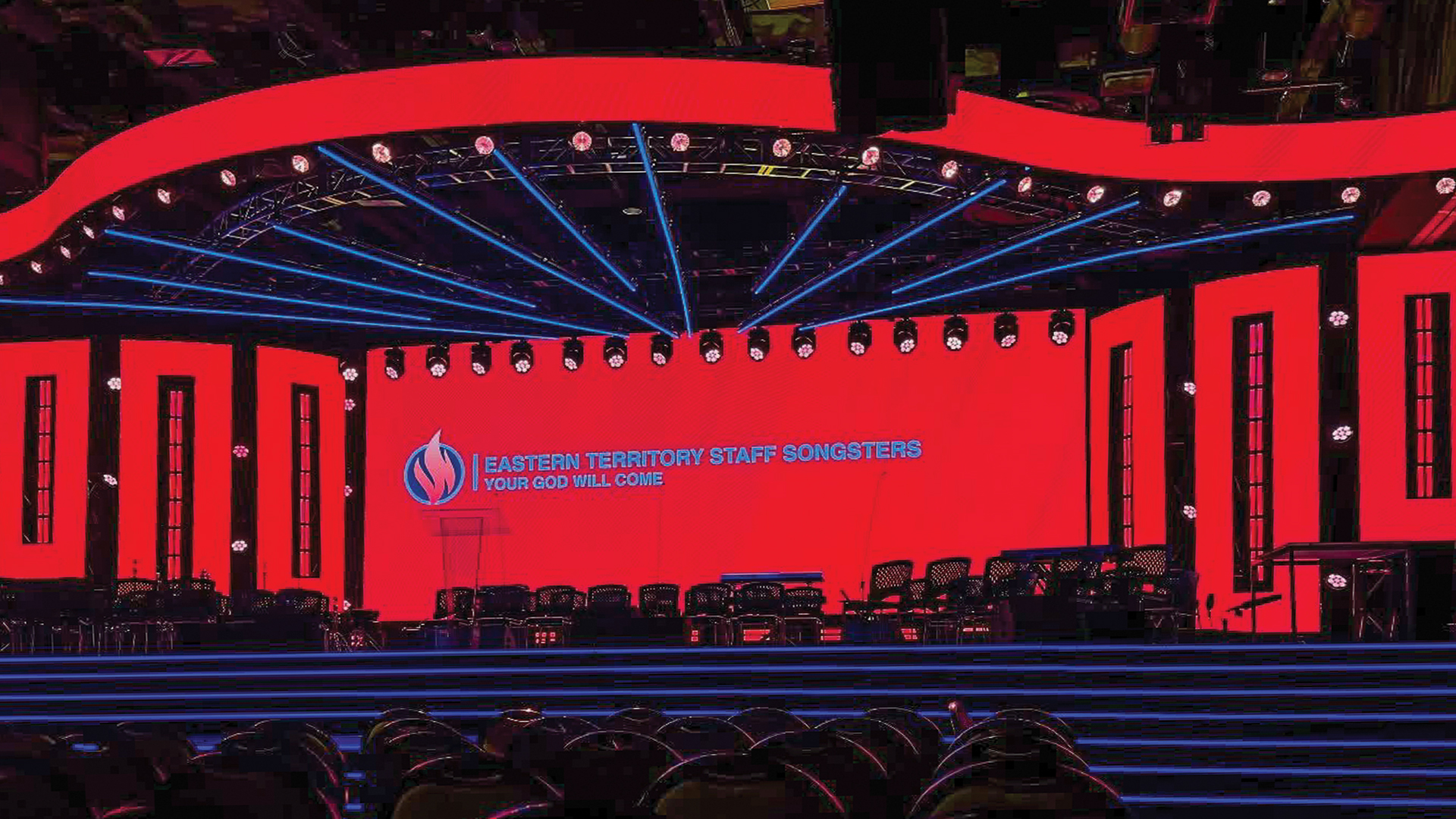
Historic theatres and convention centers built decades before LED technology existed now face production demands their architects never imagined. Flying LED screens weighing thousands of pounds above audiences requires careful engineering analysis of structures designed for canvas backdrops and modest lighting instruments. The intersection of heritage preservation and modern production creates complex challenges that separate thoughtful technicians from those courting disaster.
Understanding Historic Venue Limitations
Venues constructed before 1970 typically feature counterweight rigging systems designed for loads far lighter than contemporary LED walls demand. The classic hemp house systems found in Victorian-era theatres supported scenery painted on muslin—perhaps fifty pounds per batten. Even later counterweight installations from companies like J.R. Clancy assumed maximum loads of several hundred pounds, not the multi-ton assemblies modern productions require.
The grid structure itself presents the fundamental constraint. Historical grids used wooden beams or light steel framing adequate for their era’s demands. Loading these structures beyond design capacity risks catastrophic failure—not gradual sagging but sudden collapse that could injure or kill people below. No production justifies such risk.
Professional Structural Assessment Requirements
Before any LED rigging in older venues, engage a licensed structural engineer familiar with entertainment rigging loads. This professional examines original architectural drawings (if available), inspects actual structural conditions, and calculates safe working loads for proposed rigging points. Their assessment becomes documentation protecting everyone involved should questions arise later.
Engineers evaluate multiple factors beyond simple weight capacity. Dynamic loading from moving scenery generates forces exceeding static weight. A screen flown quickly creates impact loads when movement stops. Wind loads on exterior structures or HVAC-generated air currents inside venues add unpredictable lateral forces. Proper engineering accounts for these variables with appropriate safety factors.
The American National Standards Institute’s ANSI E1.2 standard provides entertainment industry rigging guidelines that engineers reference. This document establishes minimum safety factors of 5:1 for overhead rigging—meaning structures must support five times the planned load before failing. Historic venues may require even greater margins given unknown material degradation.
Weight Distribution Strategies
Successful LED installations in limited venues often require distributing loads across multiple rigging points. Rather than suspending an entire screen from two points that concentrate stress, experienced riggers create spanning structures that spread weight across numerous attachment locations. This approach keeps individual point loads within acceptable limits even when total screen weight exceeds any single point’s capacity.
Custom ground support structures offer alternatives when overhead capacity proves insufficient. Tower systems from manufacturers like MILOS, Prolyte, or Tyler Truss transfer screen weight directly to the floor. These solutions require adequate floor loading capacity and sufficient footprint space, but eliminate overhead structural concerns entirely.
Hybrid approaches combine partial dead-hanging with ground support. The upper portion of a screen hangs from acceptable overhead points while ground-based structures support the majority of weight. This strategy reduces overhead loads to manageable levels while maintaining the visual effect of a flown screen.
LED Panel Selection for Weight-Sensitive Applications
Not all LED panels weigh equally. Touring panels designed for road use prioritize durability over weight, often exceeding 30 kg per square meter. Rental inventory from companies like PRG, VER, and 4Wall includes lighter options specifically manufactured for weight-sensitive applications.
ROE Visual’s Carbon series and similar carbon fiber-framed panels dramatically reduce weight compared to aluminum-framed alternatives. These premium products cost more but enable installations impossible with heavier panels. Specifying weight requirements during vendor selection prevents discovering payload issues during load-in.
Panel pixel pitch selection affects weight through LED density. Fine pitch panels packing more LEDs per square meter weigh more than coarse pitch alternatives. If viewing distances allow larger pixel pitches, choosing 3.9mm over 2.6mm panels might reduce weight sufficiently to enable overhead rigging otherwise impossible.
Rigging Hardware for Historic Applications
Standard chain motor systems from CM, Lodestar, or Verlinde may exceed point load limits in historic venues. Smaller capacity motors rated at 250kg or 500kg enable divided loading across more attachment points. While this increases motor quantity and complexity, it respects structural limitations that heavier motors would violate.
Beam clamp selection requires particular attention in older venues. Universal beam clamps from manufacturers like Doughty or Fifty-Fifty must match the actual beam dimensions encountered—historic steel profiles may not match modern standard sizes. Custom fabrication sometimes proves necessary to ensure proper grip on unusual structural shapes.
Secondary attachment systems provide backup safety required by industry standards. Steel aircraft cables serve as redundant connections preventing catastrophic drops if primary attachments fail. Proper secondary selection ensures backups can arrest moving loads without themselves failing—a calculation requiring professional rigging expertise.
Working With Venue Management
Historic venue operators often impose specific requirements protecting their structures. Some venues maintain approved rigging point documentation identifying acceptable attachment locations with tested capacities. Others prohibit any overhead attachment, mandating ground support exclusively.
Engage venue technical directors early in production planning. Their institutional knowledge reveals limitations that may not appear in formal documentation. They may recall previous productions encountering similar challenges and solutions that succeeded. Building collaborative relationships facilitates creative problem-solving within venue constraints.
Insurance requirements often mandate specific rigging certifications and inspection procedures. Productions working in historic venues may need additional coverage acknowledging unique risks. Documentation proving proper engineering review and certified rigger involvement satisfies insurers while protecting against liability claims.
Load-In Logistics in Constrained Spaces
Historic venues frequently lack modern loading facilities. Stage doors sized for rolling canvas flats cannot accommodate road cases containing assembled LED frames. Narrow corridors and tight turns prevent moving large panels in single pieces.
Plan for on-site assembly when access restricts component sizes. Individual LED tiles transported separately can navigate constraints that assembled frames cannot. This approach extends load-in schedules significantly but enables installations otherwise impossible.
Freight elevator capacities in older buildings rarely match modern expectations. A 2000-pound elevator limit restricts what travels between floors, potentially requiring creative rigging solutions to hoist equipment that cannot ride elevators. Account for this in scheduling and labor allocation.
Power Infrastructure Considerations
Electrical systems in historic venues seldom provide the power density modern LED walls demand. Original installations featured minimal stage power adequate for period lighting technology. Adding thousands of watts of LED processing and display strains infrastructure requiring careful load management.
Temporary generator power often supplements venue electrical capacity. Position generators outside the building with cables routed through designated pathways. Coordinate with venue management regarding fire code compliance for temporary electrical installations.
The challenges of flying LED screens in historic venues reward thorough preparation and professional expertise. Respecting structural limitations while achieving creative visions requires collaboration between production designers, structural engineers, experienced riggers, and venue management. This cooperative approach enables spectacular presentations within facilities never designed for today’s technology, honoring the past while embracing the future of live event production.
